
Bath Routine Steps: How to Bathe With Bar Soap (Nahane Ka Sahi Tarika)

What are the right bath routine steps with a bar soap?
The bath routine steps are simple. Wet your skin with warm, not hot, water, make a light lather in your hands and soap only where you need it: face, underarms, groin and feet. Rinse thoroughly and finish in 5–10 minutes. Then pat dry, moisturise while damp, and let the bar dry in a draining dish.
Key takeaways
- Warm, not hot (gunguna) water, and a bath of about 5–10 minutes. The American Academy of Dermatology (AAD) advises both, and some dermatologists suggest under five minutes for dry skin.
- Soap goes where it is needed. A Cleveland Clinic dermatologist says the areas you need to wash consistently are the face, armpits and groin, and that you probably do not need to soap your whole body every day.
- Lather in your hands, not on a damp loofah. Loofahs stay wet and need replacing every three to four weeks (natural) or about every two months (plastic).
- Pat dry and moisturise within minutes, while your skin is still slightly damp.
- Morning or evening is a matter of preference. A dermatologist quoted by Cleveland Clinic says there is no definitive answer. The Ayurvedic morning bath is a tradition, and we label it as one.
- A bar lasts longer if it dries between baths. Use a draining dish and keep it out of the bucket.
How do you bathe with bar soap, step by step (nahane ka sahi tarika)?
The routine below suits most adults and teenagers, men and women alike. It is general hygiene guidance, not medical advice, and it assumes healthy skin.
- Run the water warm, not hot. Test it on the inside of your wrist. It should feel comfortable, and your skin should not turn pink. Dermatologists consistently advise warm over hot water for everyday baths.
- Wet yourself thoroughly first. Pour water over your head, shoulders, arms, back and legs. A minute of plain water rinses off sweat and dust before any soap goes on.
- Make the lather in your hands. Wet the bar, rub it between your palms until you have a light lather, and put the bar down. The AAD advises using just enough cleanser to remove dirt and oil, not so much that a thick lather forms.
- Soap where it counts. Use it on your underarms, groin (outer skin only) and feet, and use your face wash on your face. Add your arms, legs and back on days when you are sweaty, dusty, oily or muddy.
- Rinse until your skin no longer feels slippery. Work from the top down so lather does not sit on skin you have already rinsed, and check skin folds, the back of the neck and between the toes.
- Keep the whole bath to about 5–10 minutes. If a timer feels fussy, use one just once to learn what five minutes feels like.
- Pat dry. Use a clean, dry towel and press rather than rub, because rubbing can irritate skin that is already dry. Dry skin folds and between the toes well.
- Moisturise within a few minutes, while your skin is still slightly damp. The AAD advises applying moisturiser especially when skin is damp after bathing, and a Cleveland Clinic dermatologist says to do it before skin is completely dry.
- Put the bar away dry. Rinse the lather off the bar, shake it, and set it on a dish that drains, not in a puddle and not in the bucket.
How hot should the water be, and how long should a bath take?
Warm, not hot, and about 5–10 minutes. Both the AAD and Cleveland Clinic dermatologists give the same advice on temperature. On time they differ slightly: the AAD says to limit baths and showers to five to ten minutes, and one Cleveland Clinic dermatologist suggests keeping showers under five minutes to limit dryness.
So take 5–10 minutes as the range and lean towards the short end if your skin tends to be dry or tight after bathing. The AAD also suggests closing the bathroom door while you bathe, which helps keep your skin hydrated. If you shave, do it at the end, when skin and hair are softer.
Do you need soap all over, every day?
No. A Cleveland Clinic dermatologist says the only areas you need to wash consistently are the face, armpits and groin, and that you probably do not need to soap your entire body every day. The rest of your skin generally needs only water, unless you have been sweating, working in dust or oil, or walking through mud.
That fits Indian conditions well: in a hot, humid summer or a dusty commute you will often qualify as sweaty or dirty and a fuller soaping is reasonable, while on a cool day at a desk, water and a light soaping of the key areas is plenty. The table shows one way to think about it.
| Area | Soap? | Note |
|---|---|---|
| Face | Daily, with a cleanser made for the face | Use a face wash or face-wash bar, not the body bar. Wash after sweating |
| Underarms and groin | Daily | Use just enough soap to remove dirt and oil; rinse well |
| Feet | Daily in the monsoon and on dusty days | Dry between the toes thoroughly |
| Arms, legs, back and chest | When sweaty, dusty, oily or muddy | On other days, water is generally enough |
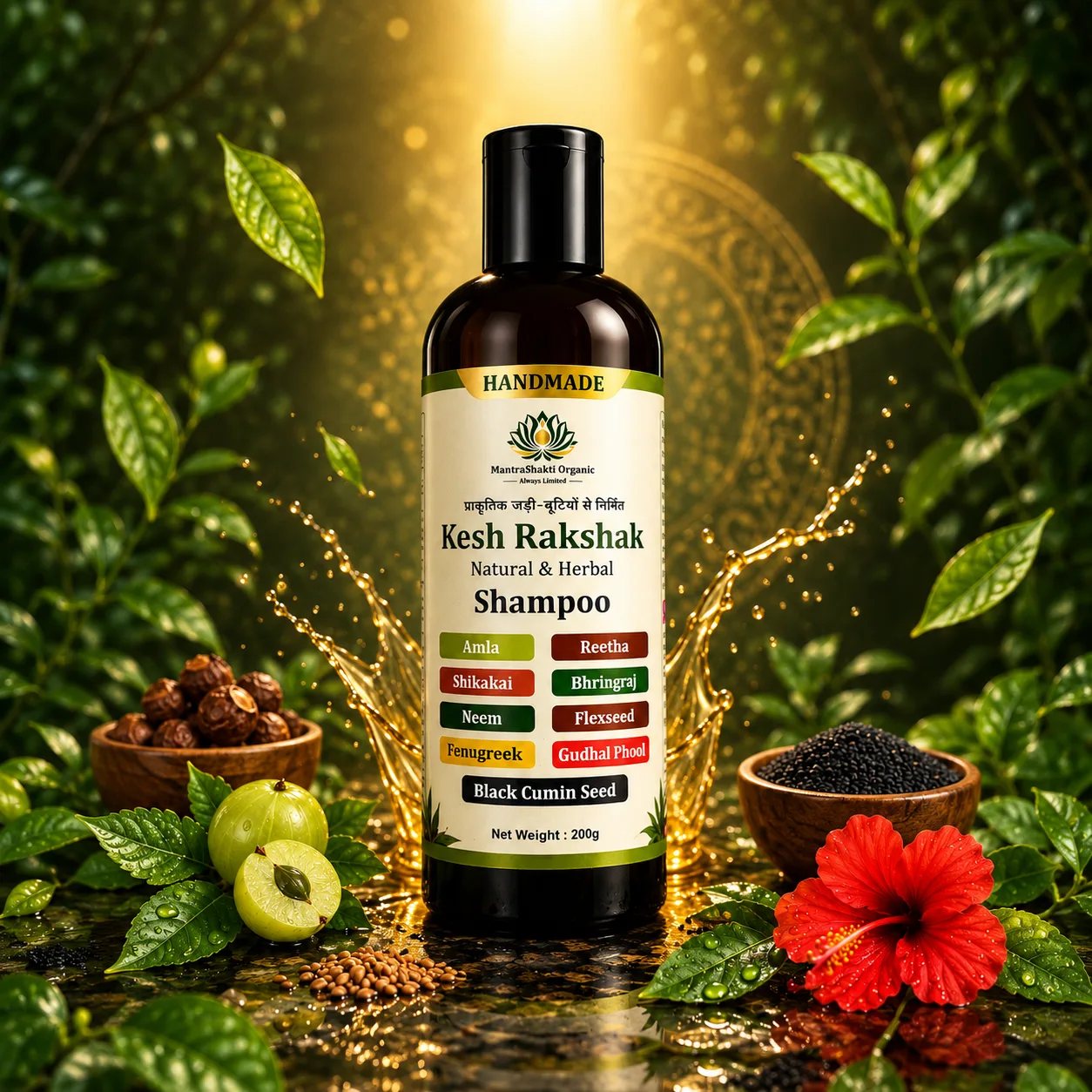
| Hair and scalp | Shampoo, such as our Kesh Rakshak Herbal Shampoo, not the body bar | Washing every other day is typical for many people |
Should you use the bar on a loofah or in your hands?
Your hands are the simplest choice. Loofahs trap dead skin and stay damp, which is why a Cleveland Clinic dermatologist calls them a breeding ground for bacteria. If you like using one, the advice is to rinse it, shake it out and hang it somewhere cool and dry after each use, and to replace a natural loofah every three to four weeks and a plastic one about every two months, or sooner if it smells musty or shows mould.
- Hands: free, easy to keep clean, and they let you feel how much soap you are using.
- A washcloth: easier to wash and dry than a loofah. Wash it often and let it dry fully between baths.
- A loofah: no more than twice a week, not on the face or the genital area, and not for a couple of days after shaving, according to the same dermatologist.
What is the right time to bathe (nahane ka sahi samay)?
There is no single right time. A dermatologist quoted by Cleveland Clinic says there is no definitive answer on morning versus evening showers and that it comes down to personal preference. The one you will actually keep is the right one.
- Morning: rinses off overnight residue and any leftover make-up before sunscreen goes on, and wakes you up.
- Evening: washes off the day's grit and grime and daytime products such as sunscreen, which suits a dusty commute or a hot, sticky day.
- Twice a day: a second quick rinse in peak summer is fine. Keep the soap for the places that need it.
How do you take a bath according to Ayurveda?
As a tradition, Ayurvedic texts describe snana (bathing) as part of the morning daily routine, dinacharya. A 2024 review in the Journal of Ayurveda and Integrated Medical Sciences collects what the classical texts say, and it is a useful reminder of how old and varied bathing customs are. We include it as tradition, kept separate from the dermatology guidance above, and we draw no health conclusions from it.
- No soap, but cleansing powders. The review notes that the texts do not mention soap. They name cleansing powders called snana choorna, such as red sandalwood (rakta chandana), manjishtha, liquorice (yashtimadhu) and turmeric (haridra).
- Timing. The review says the texts do not give an exact time for the bath. They advise waking early and doing the other morning routines first, which puts the bath well after sunrise.
- Water temperature. The traditional rule the review gives is cooler water on the head and warmer water below the neck, varying with the person. It also says that these exact steps are not found in the classical texts.
- Order. The review adds that for a healthy person it does not matter much whether you start from the head or the feet, as long as you follow the general rules of bathing.
Bucket bath or shower: which uses less water?
Neither wins automatically, and we do not know of a reliable Indian average for either. Shower water is the flow rate in litres per minute multiplied by the minutes you stay under it. Bucket water is simply what you pour. The honest way to compare is to measure your own bathroom.
- Find your bucket's size. Fill it with a one-litre bottle and count, or read the volume if it is marked.
- Time your shower's flow. Hold the bucket under the shower and time how long it takes to fill. Divide the bucket's litres by the minutes to get litres per minute.
- Compare. Multiply the flow by your usual bath minutes, then compare it with the number of buckets you use for a bucket bath.
A bucket bath has a built-in limit, because the bucket runs out, while a shower is a steady rinse that is easy to leave running. If a shower is your only option, the simplest saving is to switch the water off while you lather, and keep the bath to 5–10 minutes.
How should you adjust your bath for summer, monsoon and winter?
Keep the same steps and change three things: the water temperature, the time, and what you do afterwards. The table is our suggestion, built on the dermatology guidance above.
| Season | Water | Time | Soap | Straight after |
|---|---|---|---|---|
| Summer (hot, sweaty, dusty) | Cool to warm, never hot | About 5 minutes. A second quick rinse later in the day is fine | Key areas daily, the rest of the body on sweaty or dusty days | Pat dry; a light moisturiser if skin feels tight |
| Monsoon (humid, damp) | Warm | 5–8 minutes | Key areas daily, with extra care for feet | Dry thoroughly, including skin folds and between the toes. Dry the bar and the towel too |
| Winter (cold, dry air) | Warm (gunguna), not hot | 5 minutes or less; close the bathroom door | Key areas only, using as little soap as possible | A cream or ointment straight away, rather than a thin lotion |
For winter, the AAD adds that baths and showers should be in warm, not hot, water, that you should apply moisturiser right after washing, and that a heavier cream suits cold weather better than a lotion. It also advises gentle, fragrance-free products for dry or sensitive skin, because antibacterial, deodorant and scented soaps can be too harsh. The bars in our range carry the scents named on them, so if your skin is dry or reactive, patch-test first and choose by how your skin feels.
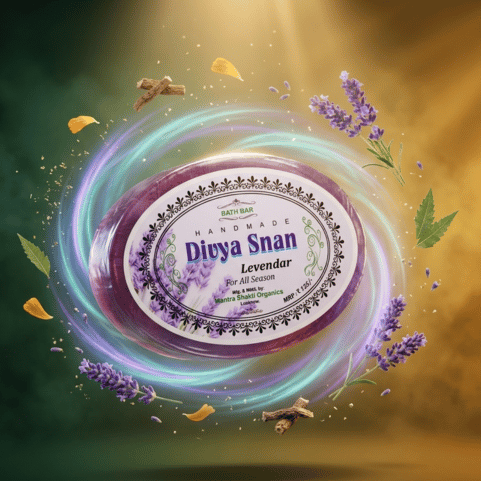
If you like to match scent to season, the Orange bar is a fresh choice for hot weather and the Lavender bar a softer one for evenings. That is purely a scent preference. Hard water also changes how a bar lathers; our hard-water washing guide explains why a longer rinse helps.
What mistakes do people make with bar soap in the bath?
- Water that is too hot. It feels good in winter, but dermatologists advise warm, not hot.
- Soaping the whole body with a thick lather every day. Use less, in fewer places.
- A rushed rinse. Rinse until the skin no longer feels slippery.
- Rubbing dry. Pat instead, as rubbing can leave skin feeling dry.
- Skipping moisturiser. The few minutes after the bath are when it matters most.
- Leaving the bar in a puddle or in the bucket. It turns soft and wears away faster.
- A loofah that never dries. Follow the replacement schedule above.
- Using the body bar on the face. Faces have their own cleanser.
How do we make and pack our bath bars?
Divya Snan is our range of handmade bath bars, made in small batches at the family workshop in Chinhat, Lucknow, in ten scents including Tulsi and Aloe Vera, Orange and Lavender, at ₹125 each. There is also a Face Wash Bar (₹175) for the face. Our guide to choosing a Divya Snan bar helps you pick a scent, and the whole Divya Snan range is in one place. Patch-test a new bar before regular use. If you have a skin condition, an allergy, are pregnant or take medication, ask a doctor first.
Frequently asked questions
What is the right way to bathe (nahane ka sahi tarika)?
Use warm, not hot, water. Make a light lather in your hands and soap the face (with a face wash), underarms, groin and feet, plus anywhere sweaty or dusty. Rinse thoroughly and keep the whole bath to about 5–10 minutes. Then pat dry, moisturise while your skin is still damp, and let the bar dry in a draining dish.
What is the right time to take a bath (nahane ka sahi samay)?
There is no single right time. A dermatologist quoted by Cleveland Clinic says there is no definitive answer on morning versus evening and that it comes down to preference. A morning bath rinses off overnight sweat, and an evening bath washes off the day's dust and grime. Ayurvedic texts place the bath in the morning routine, which we regard as tradition.
How often should you use soap on your body?
Use soap every day on the face (with a face cleanser), underarms and groin, and on the feet or other areas when they are sweaty or dusty. According to a Cleveland Clinic dermatologist, the rest of the body does not need soap every day unless it is dirty or sweaty.
Do you need soap all over, every day?
Not necessarily. A Cleveland Clinic dermatologist says the only areas you need to wash consistently are the face, armpits and groin, and that you probably do not need to soap your whole body every day. In a hot Indian summer, sweaty and dusty days are the exception, and a fuller soaping is fine then.
Bucket bath or shower: which uses less water?
It depends on your shower's flow and how long you stay, so neither always wins. Shower water is litres per minute multiplied by minutes, and bucket water is what you pour. To compare in your own bathroom, time how long your shower takes to fill a bucket of known size, then compare that with the buckets you use.
Hot or lukewarm water: what should you use in winter?
Lukewarm (gunguna) water. The American Academy of Dermatology advises warm, not hot, water for baths and showers in cold weather, along with closing the bathroom door, keeping the bath short and moisturising straight after washing. A cream or ointment suits dry winter skin better than a thin lotion.
How do you take a bath according to Ayurveda?
Ayurvedic texts describe snana as part of the morning daily routine, traditionally using cleansing powders rather than soap, with cooler water on the head than on the body. A 2024 review notes that these exact steps are not found in the classical texts and that for a healthy person the order matters little. We regard this as tradition, not evidence.
How long should a bath take?
About 5 to 10 minutes in warm water. The American Academy of Dermatology advises limiting baths and showers to five to ten minutes, and a Cleveland Clinic dermatologist suggests under five minutes if your skin tends to dry out. Set a timer once to learn what five minutes feels like.
Sources and further reading
The dermatology guidance above draws on the first five pages, which we opened and read. The Ayurvedic review is included as tradition only, and where sources differ, such as on how short a shower should be, we say so in the text.
- American Academy of Dermatology: Dermatologists' top tips for relieving dry skin – 5 to 10 minutes in warm water, a gentle cleanser only where needed, patting dry, moisturising while skin is damp, fragrance-free products
- American Academy of Dermatology: Cold weather and your skin (2023) – winter bathing and moisturising advice, heavier creams, and why scented soaps can be harsh on dry skin
- Cleveland Clinic: How Often Should You Shower? (2026) – once a day as a guideline, the areas that need soap, warm not hot water, short showers, patting dry
- Cleveland Clinic: Evening vs. Morning Shower: Which Is Better? (2023) – why timing is a matter of preference, and moisturising before the skin is completely dry
- Cleveland Clinic: Is Your Loofah Full of Bacteria? (2024) – how often to replace natural and plastic loofahs, how to dry them, and washcloths as an alternative
- Kamakshi and Sharma: A critical review on Snana: An Ayurvedic way of bathing, Journal of Ayurveda and Integrated Medical Sciences, 2024 – what the classical Ayurvedic texts say about timing, water temperature, bathing powders and order; used here as tradition only
Written by the MantraShakti Organic workshop team, Chinhat, Lucknow. This is general hygiene information, not medical advice. If you have a skin condition, an allergy, are pregnant or take medication, ask a doctor before changing your routine.
Shop this guide
Made by hand in small batches in Lucknow.


More from the Journal
18 Sep 2026 · 6 min