
Which Divya Snan Bar Should You Choose?
The short answer
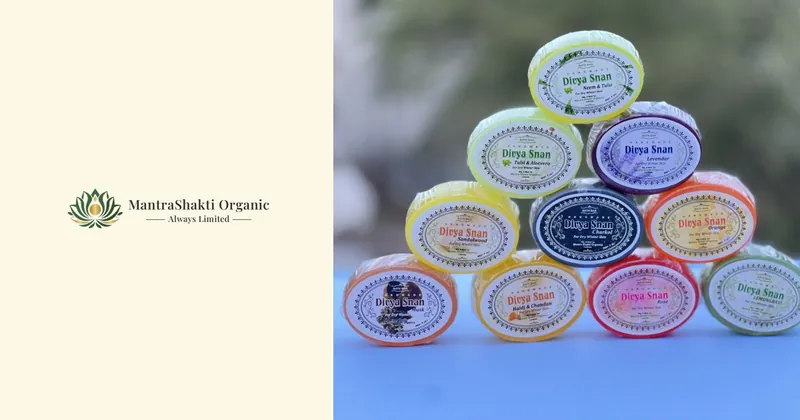
Choose a Divya Snan bar mainly by the scent you would enjoy smelling every morning and by how you like a bar of soap to feel — not by what a soap might do for your skin. The bath bars are handmade cold-process soap, so the honest differences between them are fragrance, the season they suit, and how long a bar lasts in your bathroom. The one real format choice is the Face Wash Bar (₹175), which is made for the face; the rest are ₹125 body bars.
If you want the quickest route: pick a scent family you like from the table below, then read the two-line decision path. That is most of the decision.
What Divya Snan bars are, and who they are for
Divya Snan is our range of handmade soap. Each bar is made by hand in small batches in our Chinhat workshop in Lucknow through cold-process saponification — oils and lye react and cure over several weeks into soap. They are everyday cleansing bars for people who prefer a handmade bar with a natural scent over a mass-produced one, and who do not mind that a handmade bar behaves a little differently: softer to start, a creamier lather, and some batch-to-batch variation in colour and scent strength. That variation is normal for handmade soap and not a fault.
They are cosmetics — cleansers. They are not medicines and are not sold to treat any skin condition.
The honest part: what you can and cannot choose a soap for
A bar of soap sits on your skin for a minute or two and is then rinsed off. That is worth remembering, because most soap marketing quietly implies a bar will fix something. It will not. You can sensibly choose a soap for its scent, its lather, how it feels while you use it, how long the bar lasts, its price, and whether the format suits your face or body. You cannot honestly choose one bar over another to clear acne, lighten skin, “detox” pores, or settle a rash — nobody can tell you which cleansing bar does that, because a rinse-off cleanser is the wrong tool for those jobs.
So we route this guide by scent, feel, season and format only. If you have a genuine skin problem — persistent acne, eczema, a reaction, pigmentation that bothers you — a soap is not the answer, and a dermatologist is. What you leave on your skin after a bath (a moisturiser, sunscreen) usually matters far more than which bar you rinsed with.
Compare every Divya Snan bar
Every bath bar below is ₹125. The face wash bar is ₹175. “Scent family” is a general description; the exact blend, and whether it uses essential oils or fragrance, is noted on each product page. Scent strength varies a little between batches.
| Bar | Scent family | Pick it if you like… | Season it suits | Price |
|---|---|---|---|---|
| Rose | Floral | a soft, classic rose scent | Winter, and any time you want a gentle floral | ₹125 |
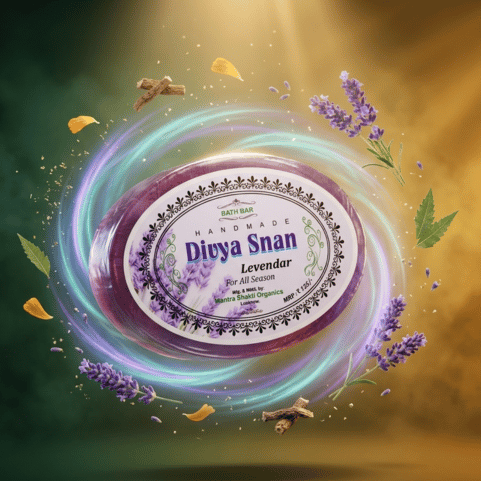
| Lavender | Floral, herbaceous | a calm, herbal-floral scent, mildest of the stronger scents | Year-round; nice at night | ₹125 |
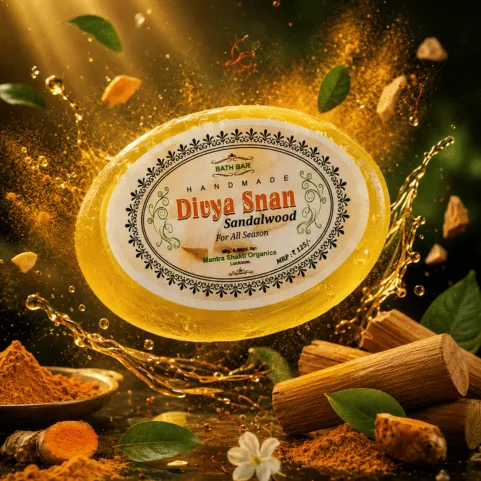
| Sandalwood | Woody, warm | a warm, traditional chandan scent | Winter and cooler evenings | ₹125 |
| Haldi & Chandan | Warm, woody-earthy | the turmeric-and-sandalwood combination many grew up with | Winter and festive days | ₹125 |
| Musk | Warm, sweet | a lingering, sweet-warm scent | Winter | ₹125 |
| Neem & Tulsi | Green, herbal, earthy | a fresh, plant-forward, no-nonsense scent | Summer and monsoon | ₹125 |
| Tulsi & Aloe Vera | Green, fresh | a lighter, cooler herbal scent than Neem & Tulsi | Summer and monsoon | ₹125 |
| Orange | Citrus, sweet | a bright, cheerful citrus lift in the morning | Summer and monsoon | ₹125 |
| Lemon | Citrus, bright | a sharp, clean, waking-up scent | Summer and humid days | ₹125 |
| Charcoal | Light, neutral | a plain, dark-grey bar with a light or neutral scent | Summer; hot, sticky weather | ₹125 |
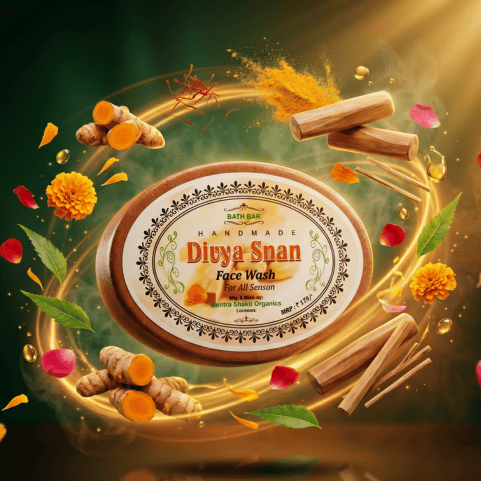
| Face Wash Bar | See product page | a bar made specifically for the face | Year-round | ₹175 |
You can see the whole range together on the Divya Snan collection page.
A simple decision path
If you cannot decide, use these three lines:
- If you want the mildest, easiest scent to live with: start with Lavender or Rose.
- If you shower twice a day through a Lucknow summer and want to feel fresh: start with Neem & Tulsi, Lemon or Charcoal.
- If you want a warm, cosy scent for the cold months: start with Sandalwood, Haldi & Chandan or Musk.
Not sure between two? Order both. At ₹125 a bar it is a small experiment, and you will know within a week which one you reach for.
Which bar lasts the longest?
How long a handmade bar lasts depends far more on how you store it than on which scent you picked. The single biggest factor is drying: a bar left sitting in water on the shelf softens and disappears quickly, while one kept on a draining dish that lets it dry between showers lasts much longer. This is true of every cold-process bar, not just ours.
Recipe matters too, though less than storage. In cold-process soap generally, bars with a higher proportion of soft oils such as olive oil feel gentler and creamier but are softer, so they wear down faster than harder bars. Your own results will vary with your water and your habits.
Curing matters here as well. Over several weeks of curing, a cold-process bar loses much of its water, hardens, and becomes longer-lasting and milder to use — soap-making guides such as Bramble Berry and Lovely Greens put the typical range at roughly four to six weeks. A well-cured bar simply survives the shower better than a fresh, soft one.
Face wash bar vs a body bar — do you need both?
You do not have to buy both, but they are built for different jobs. The Face Wash Bar is made for facial skin, which is thinner and more reactive than the skin on your arms and back. A body bar will clean your face, but many people find a dedicated face bar feels more comfortable there. If you only want one bar for everything, a body bar is fine; if your face tends to feel tight or reacts easily, the face wash bar is the safer starting point. Whichever you use on your face, rinse well and follow with a moisturiser.
Before you buy: patch test and scent sensitivity
Natural does not mean it suits everyone. Essential oils and fragrance ingredients — the very things that make a scented soap pleasant — are also the most common reason a bar does not agree with a particular person's skin. Floral and citrus scents in particular can be sensitising for some people, and citrus oils can make skin more sensitive to sunlight.
So before you use a new bar all over: rub a little lather on the inside of your forearm, rinse, and leave it for a day. If there is redness, itching or stinging, stop using it. Skincare and essential-oil references such as AromaWeb recommend this kind of patch test for new products, and note that a test lowers the risk but never removes it entirely — sensitivity can develop over time. If your skin reacts to something, or you are managing a skin condition, please see a dermatologist rather than working through bars by trial and error.
A note on our claims: saponification is a chemical reaction, so no soap is “chemical-free”. We describe our bars by how they smell and feel, and we try not to promise more than a cleanser can deliver.
Frequently asked questions
How do I choose between handmade soap bars?
Choose mainly by scent and by how you like a bar to feel, since a rinse-off cleanser mostly differs in fragrance, lather and how long it lasts. Pick a scent family you would enjoy daily, match it loosely to the season, and consider price and bar life. Patch test a new bar before full use.
What is the difference between the Neem & Tulsi bar and the Sandalwood bar?
Mainly scent and season. Neem & Tulsi is a fresh, green, herbal scent that many people prefer in summer and the monsoon. Sandalwood is a warm, woody chandan scent that suits winter and cooler evenings. Both are ₹125 handmade cold-process bars; the choice is about the smell you want, not a skin outcome.
Which bar is best for winter?
Many people prefer warmer, cosier scents in the cold months — Sandalwood, Haldi & Chandan, Rose or Musk are popular winter picks. If your skin feels dry in winter, remember the moisturiser you apply after bathing matters more than the soap; a bar cannot fix winter dryness, and persistent dryness is worth a doctor's advice.
Which bar lasts the longest?
Storage decides this more than scent: a bar kept on a draining dish and allowed to dry between showers lasts far longer than one left sitting in water. In general, harder bars outlast softer, higher-oil bars, so how long any bar lasts comes down mostly to your water and how well you let it dry between showers.
Can I use a body bar on my face?
You can, and it will clean your face, but the Face Wash Bar is made specifically for facial skin, which is thinner and more reactive. If your face feels tight or reacts easily after a body bar, switch to the face wash bar. Whichever you use, rinse thoroughly and apply a moisturiser afterwards.
Are the scents natural or added?
Each product page lists the scent for that particular bar, and scent strength varies a little from batch to batch because the bars are handmade. Some bars are scented with essential oils and botanicals; check the individual product page for the exact ingredients rather than assuming every bar is scented the same way.
Which bar has the mildest scent?
Many people find Lavender and Rose the easiest, softest scents to live with day to day, and the Charcoal bar is on the lighter, more neutral end. The citrus bars (Lemon, Orange) and Musk are more noticeable. Scent preference is personal, so if you can, smell a bar or patch test before committing to several.
Written by the MantraShakti Organic workshop team, Chinhat, Lucknow. Last reviewed: 26 September 2026. This article is general information about our cosmetic soap bars and is not medical advice; for any skin problem, please consult a dermatologist. For deeper background, see our guide on why handmade cold-process soap is gentler.
Shop this guide
Made by hand in small batches in Lucknow.

More from the Journal