Washing Your Hair in Hard Water: A Hostel and PG Routine
The short answer
If you have moved into a hostel or PG and your shampoo suddenly stops working, the water is usually the reason, not your hair. Without a filter you cannot actually soften hard water at the tap, so the honest goal is different: use less product, rinse far more thoroughly than feels necessary, and finish with softer water where you can. No oil and no shampoo can change the mineral content of the water itself. What a good routine changes is how much mineral film is left behind on your hair.
This is a practical, constraints-first guide for the real hostel situation: a shared bathroom, a bucket and mug, no shower head to fit a filter to, almost no storage, and a student budget. It is written by a family workshop, not a clinic, so where hair meets health we point you to a professional.
What hard water actually does (and what it does not)
Hard water is simply water carrying a lot of dissolved calcium and magnesium. Most Indian borewell and municipal supplies pick these minerals up from the ground, which is why the problem is so common in newly built PG belts on city outskirts. When soap or shampoo meets those minerals, the two react and form an insoluble, slightly sticky residue, the same "soap scum" you see as a grey ring on a bucket or a white crust on a tap. That residue is the film that coats your hair and makes it feel rough, dull and hard to rinse clean.
Here is the part most brands will not tell you, because it is not what they are selling: the published evidence on whether hard water actually weakens hair is limited and mixed. Laboratory studies that soaked hair in hard water and compared it with hair soaked in distilled water have reported conflicting results, some finding no significant difference in tensile strength while others reported small reductions. So the strength question is genuinely unsettled. What is not in dispute is the cosmetic effect: mineral deposition leaves hair stiff, dull and prone to tangling, which is what you are feeling in the bucket.
So we will keep this in its lane. Hard water is a hair-feel and washing problem you can manage. If you are worried about your scalp or about how much hair you are shedding, that is a medical question for a dermatologist, and no shampoo is an answer to it.
How do I know if my water is hard?
You do not need a lab. Three quick checks at home tell you most of what you need to know.
- The soap-shake test. Half-fill a clear bottle with your tap water, add a few drops of a plain liquid soap, cap it and shake hard for ten seconds. Soft water throws up a tall, stable head of foam and stays clear underneath. Hard water gives you thin, quick-collapsing bubbles and a cloudy, milky layer, that cloudiness is the mineral-soap residue forming in front of you.
- Look at your kettle and taps. A chalky white scale inside an electric kettle, or a crust building around tap mouths and the bucket rim, is classic hard-water scaling.
- Watch your normal wash. Shampoo that refuses to lather however much you use, and hair that still feels coated and "squeaky-sticky" after rinsing, both point the same way.
A cheap TDS meter (the pen kind sold for RO purifiers) is a useful tell but an imperfect one: TDS measures all dissolved solids, not calcium and magnesium specifically, so it is a rough proxy for hardness, not a direct reading of it. Still, a high TDS reading on tap water alongside a failed soap-shake test is a strong signal.
For reference points you can trust, the Bureau of Indian Standards drinking-water standard (IS 10500) sets an acceptable limit for total hardness of 200 mg/L as calcium carbonate, and a permissible upper limit of 600 mg/L where no better source exists. The widely used hardness scale runs like this:
| Hardness (mg/L as CaCO3) | Class | What you tend to notice |
|---|---|---|
| 0–60 | Soft | Easy lather, hair rinses clean |
| 61–120 | Moderately hard | Slightly reduced lather |
| 121–180 | Hard | Poor lather, filmy feel, visible scale |
| Over 180 | Very hard | Heavy scale, hair feels coated even after rinsing |
Classification per the US Geological Survey scale, widely used in water quality reporting. Note that this measures hardness (calcium and magnesium), which a TDS pen does not read directly.
Why doesn't shampoo lather in my hostel bathroom?
Lather is not just for show, it is a sign your cleanser is free to do its job. In hard water, some of the shampoo is used up reacting with calcium and magnesium instead of cleaning your hair and scalp. Traditional soap bars are worst affected, because soap reacts readily with these minerals to form that curd-like scum. That is one reason a well-formulated liquid or herbal shampoo copes better than a plain soap bar in a hard-water bathroom, though even a good shampoo will foam less than it would in soft water. If you have wondered why the same soap that lathered richly at home barely bubbles at your PG, this cross-reference on how handmade soap behaves explains the chemistry from the soap side.
The instinct is to keep adding more product to force a lather. Resist it. More shampoo in hard water mostly means more residue to rinse out, and more of your money down the drain. Use a small amount, work it in with your fingertips, and add water rather than more product.
A weekly hard-water routine for a hostel or PG
This is built for someone with no bucket filter, no shower head, a shared bathroom and almost nowhere to store bottles. Adjust the wash frequency to your hair and the season, oily scalps in a Lucknow summer may need washing every second or third day, drier hair less often.
Before the wash: a pre-wash oiling (optional but useful)
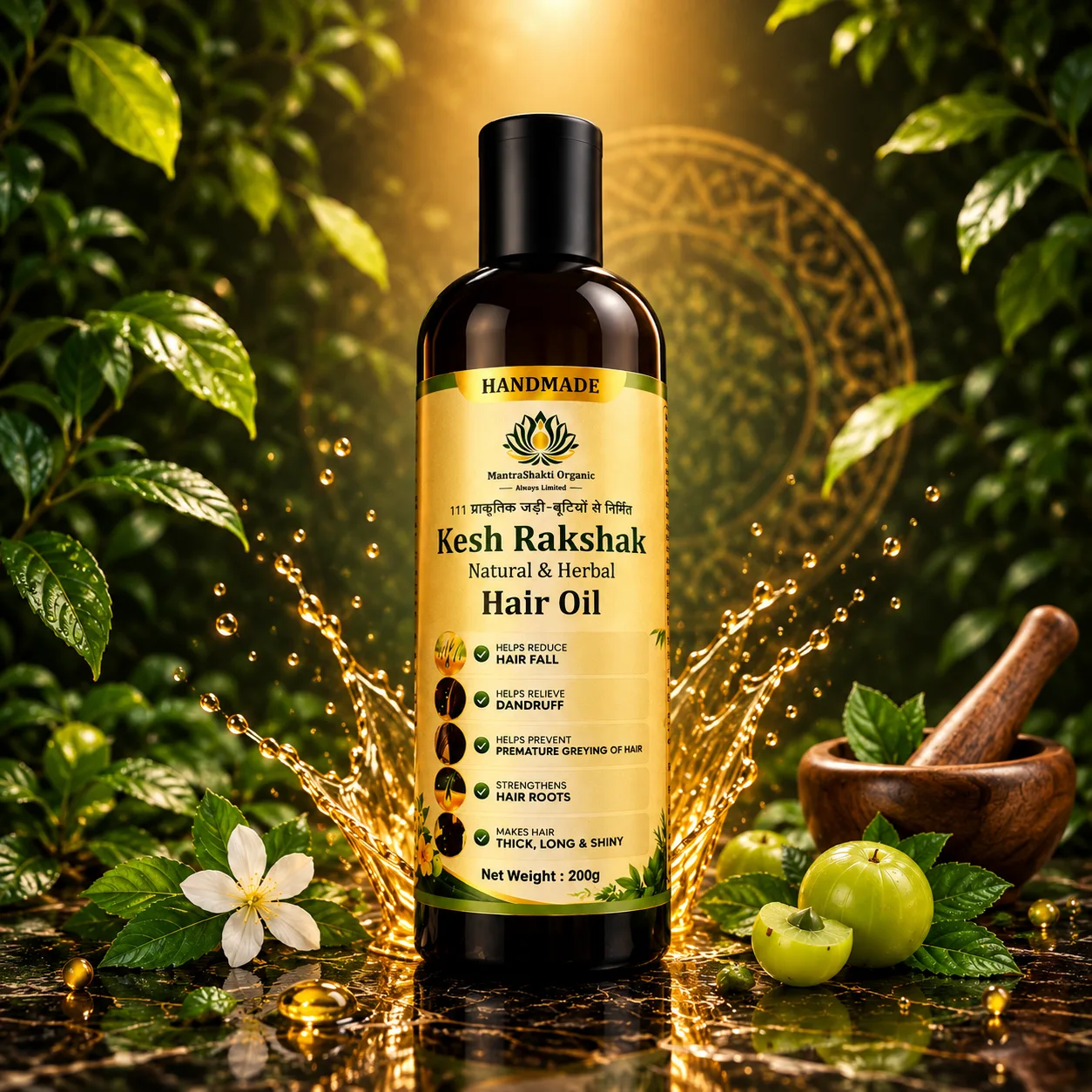
Warm a little oil between your palms and work it through your scalp and lengths twenty minutes to an hour before washing. A pre-wash oil coats the hair so it takes up less of the mineral-heavy water while you wash, and many people find their hair feels less rough afterwards. This is the everyday champi habit, traditionally used in Indian hair care to condition the scalp; our own weekly champi guide walks through the method, and the Kesh Rakshak Hair Oil is the blend we make for it. To be clear, the oil does not soften the water, it changes how your hair meets it.
The wash
- Rinse first, generously. Wet hair thoroughly before any product. A minute of plain rinsing loosens sweat and dust so the shampoo is not wasted on them.
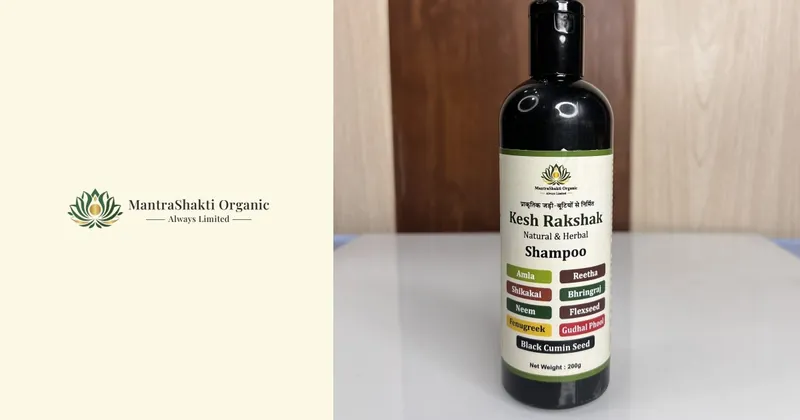
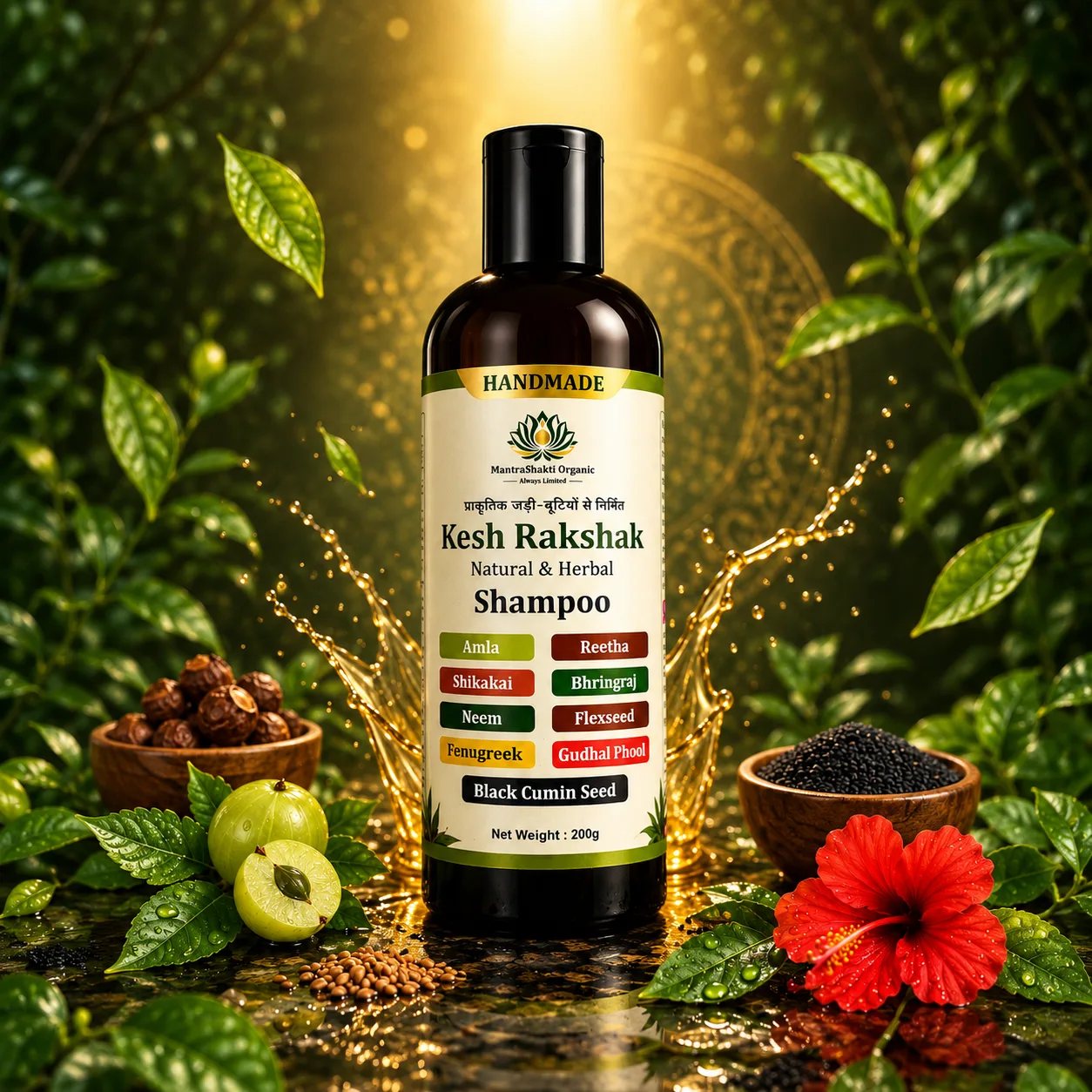
- Use less shampoo than you think. A coin-sized amount for most lengths. Dilute it in a mug of water first, in hard water a pre-diluted shampoo spreads and rinses far better than a thick blob. A gentle daily-use herbal shampoo such as our Kesh Rakshak Shampoo is designed for this kind of regular, low-residue washing.
- Massage the scalp, not the lengths. Clean the scalp with fingertips; let the run-off clean the lengths.
- Rinse for longer than feels necessary. This is the single most important step in hard water. Residue left on hair is what makes it dull and stiff, so rinse until the water runs completely clear and the hair stops feeling slippery-then-sticky.
- Save your softest water for the last mug. If you can keep back a mug of RO or stored drinking water, use it as the final rinse. That last pour with softer water leaves noticeably less mineral film on the hair, and it is the cheapest "hard-water hack" there is.
Once a week: a clarifying or chelating wash
Over days, mineral film builds up whatever you do. A clarifying shampoo strips oil and product buildup; a chelating shampoo goes further, using agents such as EDTA, citric acid or phytic acid to bind the calcium and magnesium so they rinse away, which ordinary shampoo cannot do. Used once a week or so, a chelating wash resets that filmy feeling. Dermatologists generally suggest not overdoing it, roughly once every 7–10 days for most people, and gentler citric-acid chelators for sensitive scalps, because stripping too often leaves hair dry.
Does a vinegar rinse help, and is it for everyone?
A dilute acidic rinse is the classic home fix, and it does have a basis: acid helps dissolve some of the alkaline soap-scum and mineral film, and it flattens the hair cuticle so hair feels smoother. Mix one to two tablespoons of white vinegar or apple cider vinegar into a full mug of water, pour it over after shampooing, leave it a minute, then rinse with plain water.
It does not suit everyone. Vinegar is acidic and can be drying or irritating if used too strong or too often, and it is best avoided on a broken, inflamed or itchy scalp. Always dilute it well, do not use it daily, and do a small strand and patch test first. If your scalp reacts, stop.
What actually changes the water, and what only manages your hair
Cutting through the marketing: only one thing on this list changes the water itself. Everything else manages how your hair copes with hard water. That distinction is worth keeping straight before you spend money.
| Option | Does it soften the water? | What it actually does | Hostel-friendly? |
|---|---|---|---|
| Water softener / RO | Yes | Removes or exchanges the calcium and magnesium; the only true fix | Rarely, usually not your call as a tenant |
| Carbon "bucket" or tap filter | No | Reduces chlorine, sediment and odour; does not remove dissolved hardness | Yes, but manage expectations |
| Chelating shampoo (weekly) | No | Binds and rinses away mineral buildup already on hair | Yes |
| Pre-wash oiling | No | Coats hair so it feels less rough after washing | Yes |
| Dilute vinegar rinse | No | Dissolves some film, smooths the cuticle (not for everyone) | Yes |
| Final rinse with stored soft/RO water | No (only that rinse) | Leaves less mineral film on hair after the wash | Yes, cheap and effective |
The takeaway: a cheap bucket carbon filter is genuinely useful for chlorine and grit, and worth it if your water smells or looks off, but it will not soften the water, and if a shop promises it will, that is a claim to walk away from. For softness at the tap you need ion-exchange softening or RO, which most tenants cannot install. So build the routine around managing your hair, because that is the part within your control.
When to see a doctor
Hard water is a cosmetic nuisance, not a diagnosis. Please see a dermatologist or your doctor, rather than reaching for another product, if you notice any of the following:
- A persistently itchy, flaking, red or sore scalp that does not settle.
- Sudden or patchy loss of hair, or a clear change in how much you are shedding that worries you.
- Any rash, sores or scaling that spread or do not heal.
- Symptoms that started after a new medication, illness, or a major life change.
A professional can look at causes that no shampoo can address. Nothing in this article is medical advice.
Frequently asked questions
How do I know if my water is hard?
Do the soap-shake test: shake a few drops of soap in a bottle of your tap water. Soft water foams tall and stays clear; hard water gives thin bubbles and a cloudy layer. White scale in your kettle or around taps, and shampoo that will not lather, are the other everyday signs.
Does hard water affect how shampoo lathers?
Yes, directly. Calcium and magnesium in hard water react with the cleansing agents in shampoo and soap, so some product is spent forming residue instead of foam. Plain soap bars suffer most. That is why the same shampoo lathers richly at home but barely bubbles in a hard-water hostel bathroom.
Can I improve hard-water washing without a shower filter?
Yes. Use less shampoo, pre-dilute it in a mug, rinse far longer than feels necessary, and save your softest stored or RO water for the final rinse. A weekly chelating wash clears mineral buildup. None of this softens the water, but together it noticeably reduces the film left on your hair.
Is a bucket filter worth it in a hostel?
A carbon bucket or tap filter is worth it for reducing chlorine, odour and sediment, which can be reason enough. But it does not remove dissolved calcium and magnesium, so it will not soften hard water or fix the filmy feel. Only ion-exchange softening or RO actually softens water.
Should I oil my hair before washing in hard water?
Many people find a pre-wash oiling helps, because the oil coats the hair so it takes up less mineral-heavy water and feels less rough afterwards. It is a traditional Indian hair-care habit. It does not change the water. Apply twenty minutes to an hour before washing, focusing on scalp and lengths.
Does a vinegar rinse help, and does it suit everyone?
A well-diluted vinegar rinse can dissolve some mineral and soap-scum film and smooth the hair, so many people like it. It does not suit everyone: it is acidic and can dry or irritate, and should be avoided on a broken or inflamed scalp. Dilute well, use occasionally, and patch-test first.
Written by the MantraShakti Organic workshop team, Chinhat, Lucknow. We make hair care by hand; we are not medical professionals, and this guide is general information, not medical advice. Last reviewed: 26 September 2026. Explore our Kesh Rakshak hair care range.
Shop this guide
Made by hand in small batches in Lucknow.
More from the Journal