Amla: The Ayurvedic Vitamin-C Superfruit
Amla, the Indian gooseberry, is one of the most cherished fruits in Ayurvedic tradition. Small, round and famously tart, it has been part of Indian kitchens and care rituals for centuries — from the pantry to the hair-oil bottle.
A fruit with a long history
Amla appears again and again in classical Ayurvedic texts and everyday home remedies alike. It is a naturally rich source of vitamin C, which is one reason generations have kept it close — as fresh fruit, dried slices, murabba and candy.
Everyday ways people enjoy Amla
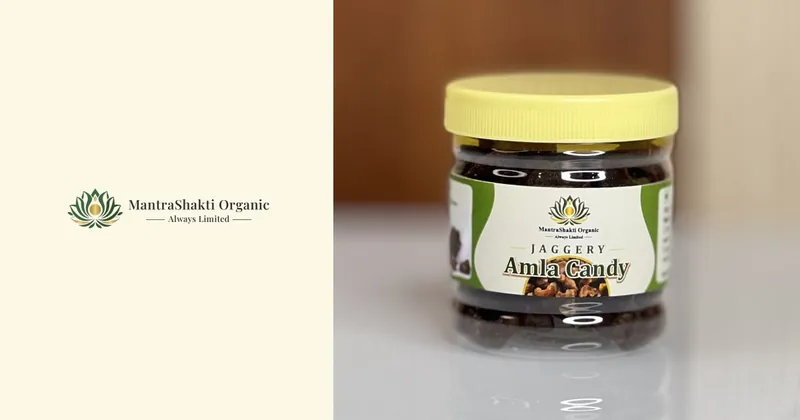
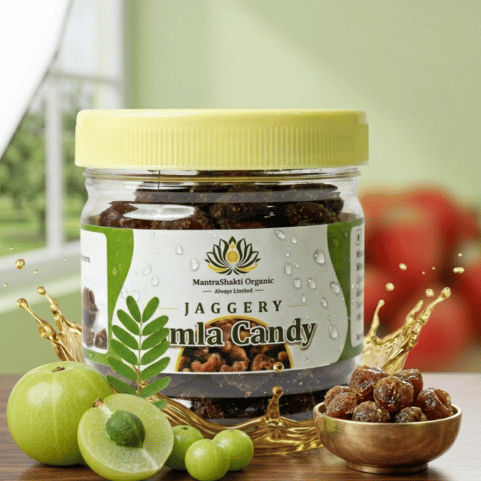
- Amla candy. Sweet-tart pieces make the sharp fruit easy and pleasant to eat — our Jaggery Amla Candy pairs it with jaggery.
- In hair oil. Amla is a traditional companion in hair-care blends, which is why you will find it in our Kesh Rakshak oil.
- Fresh or juiced. When in season, many families juice it or add it to pickles and chutneys.
A note on taste
Amla is genuinely tart on its own — that is part of its character. Sweetening it with jaggery, as in a good candy, softens the edge while keeping the fruit itself front and centre.
In Ayurveda, Amla is traditionally prized as a rasayana — a rejuvenating favourite of the pantry.
Whether you meet it as a candy after lunch or as an ingredient in your weekly champi oil, Amla is a lovely, time-honoured part of everyday Indian wellness.
Shop this guide
Made by hand in small batches in Lucknow.
 44% OFF
More from the Journal
28 Sep 2026 · 10 min
Amla Season in India: When to Buy It, How to Choose It, How to Keep It
Read more →