
Herbal Shampoo: What the First Few Washes Are Actually Like

What to expect when you switch to a herbal shampoo
The short, honest answer: expect less foam, and expect your hair to feel a little different for the first few washes before it settles. A lower-foaming shampoo is not cleaning any less. Most of the "is this working?" feeling in the early days comes down to three ordinary things: the hardness of your tap water, leftover coating from your previous products rinsing out, and simply how much shampoo you use and how you work it in.
We cannot tell you exactly how your hair will respond, or on what schedule. Everyone's water, hair length and old routine are different, and anyone promising you a tidy week-by-week result is guessing. What we can do is tell you what people most commonly notice, and what each thing usually turns out to be.
Why doesn't herbal shampoo lather like your old one?
Foam is a design decision, not a measure of cleaning. In a shampoo, cleaning and foaming are handled by the surfactants (the cleansing molecules), and a 2018 review of shampoo surfactant technology in the International Journal of Cosmetic Science (Cornwell) makes the trade-off plain: the surfactants that produce big, dense lather tend to be the harsher ones, while milder surfactants tend to foam less. A brand chooses where to sit on that scale.
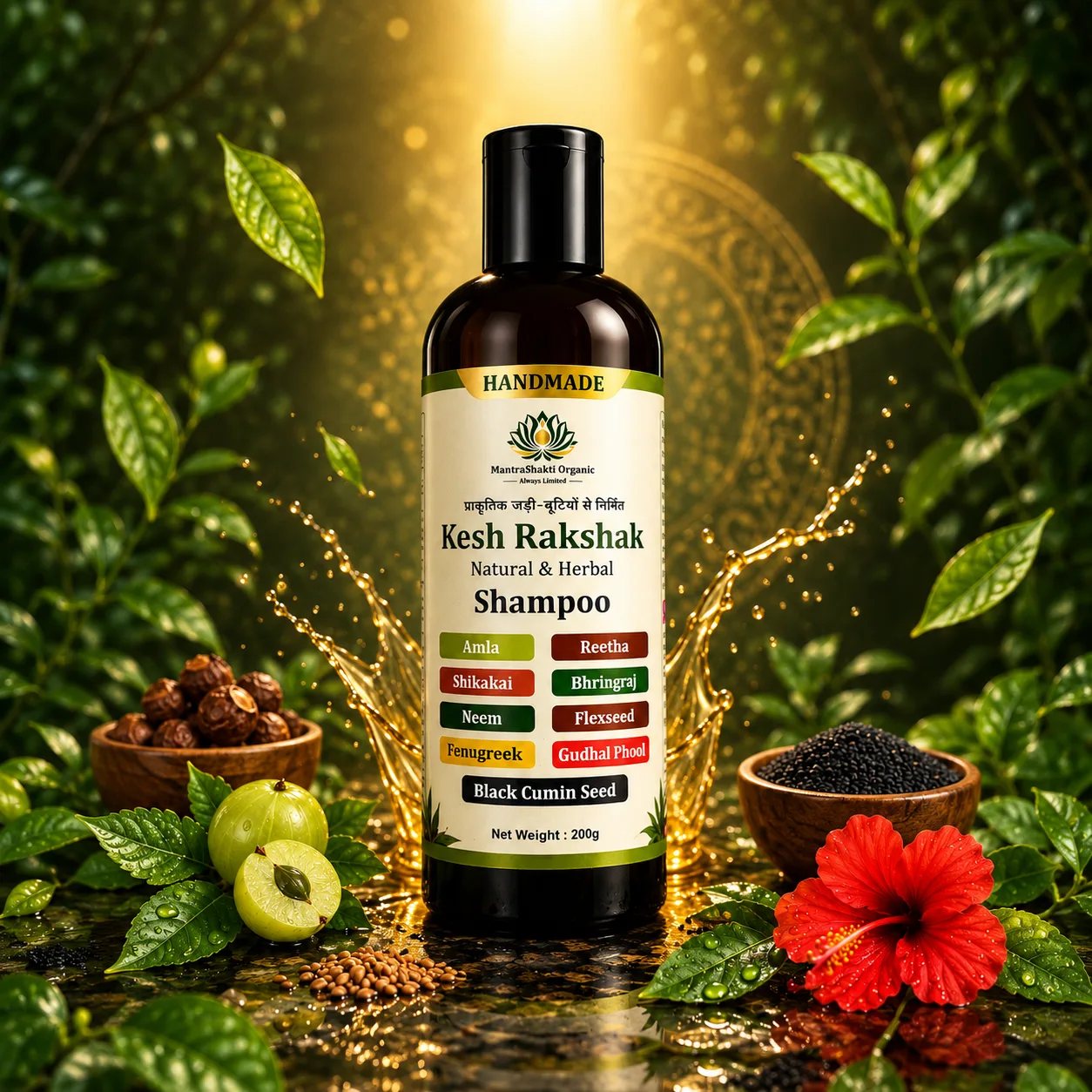
Our Kesh Rakshak Shampoo is a herbal, lower-foaming shampoo, and that lower foam is a deliberate formulation choice about feel and rinse. It is not a health claim, and it does not mean high-foaming shampoos are unsafe.
There is also a plant-chemistry reason herbal formulas often foam gently. Traditional hair-wash ingredients like reetha (soapnut) and shikakai clean through saponins, natural surfactant compounds that lift oil and dirt but produce a softer, lower lather than synthetic foaming agents. If you have ever washed hair with reetha at home, you already know that feeling: it cleans, it just does not pile up suds.
Does less foam mean it isn't cleaning?
No. Cleaning and foaming are separate jobs the surfactants do. A shampoo can rinse oil and grime away perfectly well while producing modest lather, and a very foamy shampoo is not automatically doing more. The bubbles are the part you can see, which is why we all use them as a mental shortcut, but they are not the measurement.
The clearest test is not the foam in your hands. It is how your scalp and hair feel once dry: clean at the roots, not coated, not squeaky-stripped. That is what to pay attention to in the first week.
If it feels like it "isn't working", here's how to read it
Almost every early message we get maps to one of three causes. This table is the quickest way to tell them apart.
| What you notice | Most likely cause | What it usually is | What tends to help |
|---|---|---|---|
| Barely any foam, especially on the first lather | Hard water | Calcium and magnesium in the water bind with the cleanser and form an insoluble scum before it can foam | A second, shorter wash usually foams more; see our hard-water washing routine |
| Hair feels sticky, waxy or heavy for a few washes | Build-up from your previous products lifting off | Old silicone or conditioning coating loosening unevenly, not the shampoo failing | Wash twice, work it into the scalp, and hold off on heavy conditioner for a wash or two |
| Feels like it doesn't clean, or you rinse forever | Quantity and technique | Too little product, or it never reached the scalp | Use a generous amount, massage the scalp for a minute, rinse fully |
Hard water is worth calling out because so much of urban India runs on it. When water carries a lot of dissolved calcium and magnesium, those minerals react with any cleanser and turn part of it into an insoluble film instead of foam, so you get less lather and often need a touch more product. That is water chemistry, not the shampoo. If your area has notably hard water, our hard-water routine covers it in detail rather than us repeating it here.
Why does my hair feel sticky or heavy after switching?
This is the message we get most often, and it is usually the most misread. If your previous shampoo or conditioner left a smoothing coating on the hair (many do), that coating does not vanish the moment you switch. It lifts off gradually, and while it is half-on and half-off, hair can feel waxy, sticky, or heavier than usual, particularly on longer hair and mid-lengths to ends.
It is a transition, not a verdict on the shampoo. A few things people tell us actually make the difference:
- Washing twice on the days it feels heaviest: the first pass loosens surface oil and coating, the second actually cleans.
- Working the shampoo into the scalp with fingertips rather than smoothing it over the top of the hair.
- Going easy on heavy conditioner or serum for a wash or two, so you are not re-coating hair that is still shedding old build-up.
We are deliberately not giving you a "by wash three, expect X" timeline, because there isn't an honest one. Some people notice the shift quickly; for others with a lot of old build-up or very hard water it takes longer; a few find it never suits them, which we will come back to. This genuinely varies.
How much should you use, and should you wash twice?
Most early disappointment is just under-dosing. Because there is less foam to signal "that's enough", it is easy to use too little and conclude it does not clean.
Our guidance, the same we send buyers directly, is simple: use a bit more than the foam suggests, since low lather makes it easy to under-dose. Wet the hair thoroughly first, apply to the scalp rather than the lengths, and on the first few washes, wash twice. The second lather will almost always foam more than the first, which is a useful sign that the first wash was doing its job on oil and build-up.
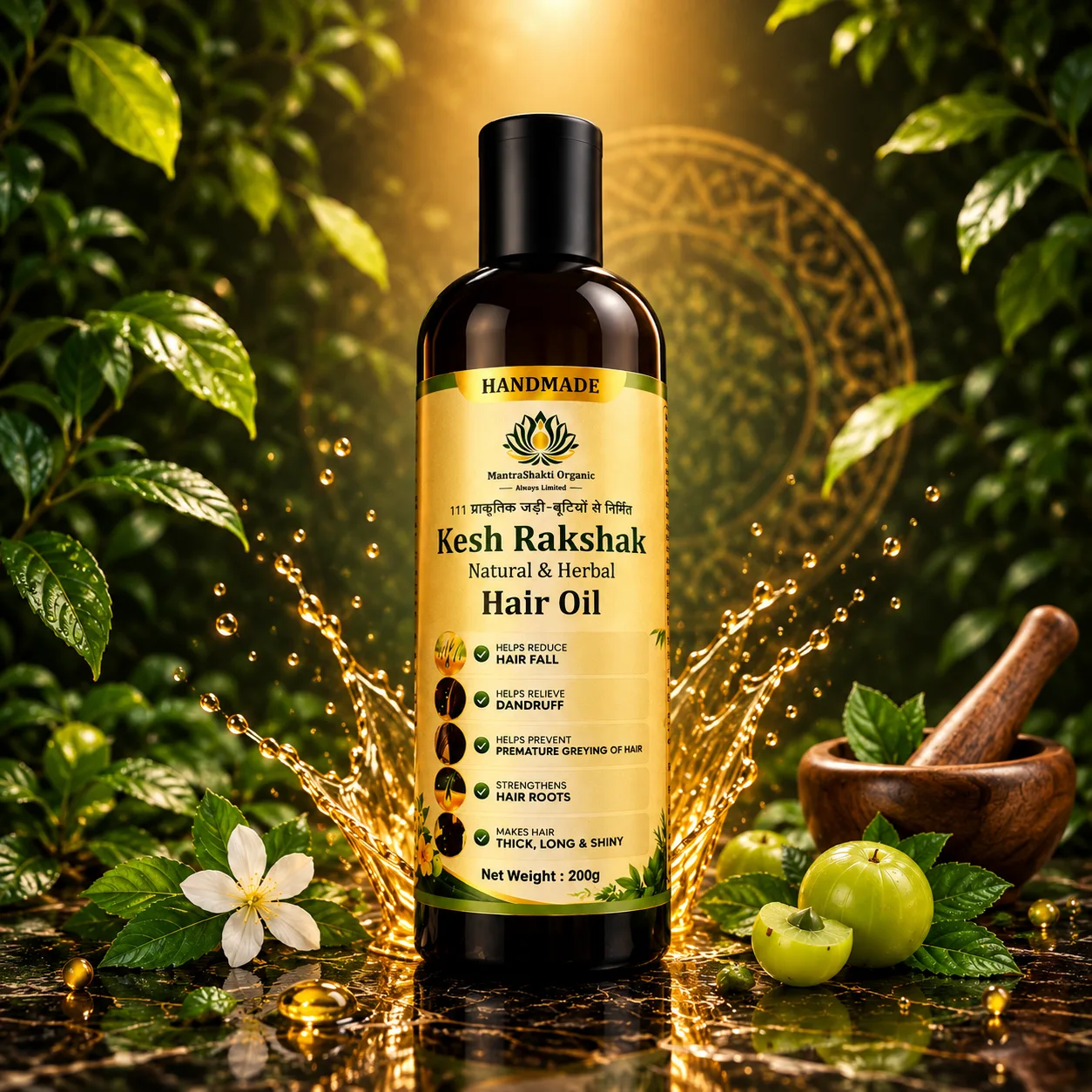
A pre-wash oiling can also make the whole thing easier, because you are washing conditioned hair rather than dry, stripped hair. If that is new to you, our note on a weekly champi with Kesh Rakshak Hair Oil walks through it, and the hair oil itself is what we use for that step.
When a herbal shampoo isn't the right one for you
We would rather say this plainly than lose your trust: sometimes this product simply is not right for a particular scalp, and no amount of technique fixes that. A lower-foaming, herb-based shampoo suits a lot of people and does not suit everyone.
If it genuinely is not working for you after a fair try, message us on WhatsApp and we will do our best to make it right.
One boundary that matters: this is a cosmetic hair wash, not a medical product. If you are dealing with persistent, sudden, or patchy hair shedding, an itchy or flaking scalp that will not settle, or any scalp condition that is spreading or painful, please see a dermatologist. A shampoo, ours or anyone's, is not the right tool for a medical problem, and a good dermatologist will find the actual cause far faster than trial and error.
Frequently asked questions
Why doesn't my herbal shampoo lather much?
Because it is a milder, lower-foaming shampoo, and it relies partly on gentle plant cleansers like reetha and shikakai that clean without heavy suds. Hard water reduces foam further by binding the cleanser into an insoluble scum. Low lather here is a formulation and water effect, not a sign the shampoo is weak or faulty.
Does foam mean a shampoo is cleaning?
No. In a shampoo, cleaning and foaming are separate actions performed by the surfactants, and a 2018 review in the International Journal of Cosmetic Science notes that milder cleansers tend to foam less while still washing effectively. Judge cleanliness by how your scalp and hair feel once dry, not by how many bubbles you can see.
Why does my hair feel sticky or heavy after switching?
Usually because a smoothing coating from your previous products is lifting off unevenly. While it is half-removed, hair can feel waxy or heavy, especially at the mid-lengths and ends. Washing twice, massaging the scalp, and easing off heavy conditioner for a wash or two generally helps it clear. It varies from person to person.
How much herbal shampoo should I use?
More than you might expect, because low foam makes it easy to under-dose. Wet hair thoroughly, apply to the scalp rather than the lengths, and work it in with your fingertips for about a minute before rinsing. If the first wash barely foams, that is normal on oily or coated hair.
Should I wash twice?
For the first several washes, yes, especially if you are coming off silicone-based products or live with hard water. The first lather loosens surface oil and old build-up; the second one actually cleans and will usually foam more. Once your hair settles, most people find a single wash is enough on ordinary days.
Does hard water change how it lathers?
Yes, noticeably. Calcium and magnesium in hard water react with any cleanser to form an insoluble scum, so you get less foam and may need a little more product. Much of urban India has hard tap water. A second wash usually lathers better; our hard-water routine has the fuller fix.
Written by the MantraShakti Organic workshop team, Chinhat, Lucknow. We make our Kesh Rakshak Shampoo in small batches, so batch-to-batch feel can vary slightly, and we would rather tell you that than pretend otherwise. Last reviewed: 26 September 2026.
Shop this guide
Made by hand in small batches in Lucknow.
More from the Journal
19 Nov 2026 · 12 min
How an Ayurvedic Hair Oil Is Actually Made (and What a Herb Count Tells You)
Read more →