
Abhyanga Snan 2026: How to Do the Diwali Oil-and-Ubtan Bath at Home
What is abhyanga snan, and when is it in 2026?
Abhyanga snan is the traditional oil bath taken before sunrise on Narak Chaturdashi, also called Choti Diwali. In 2026 Drik Panchang lists it for Sunday 8 November, with the window running from moonrise to sunrise: 5:23 to 6:21 AM in Lucknow. Families rub warm sesame oil on the body, apply an ubtan paste, then bathe in warm water.
This guide is the version we would give a friend in Lucknow who has never done it: what the custom is (as tradition, not a health claim), the timing for your city, which oil and ubtan mix to use, a step-by-step method for a modern bathroom, and the safety points people skip.
Key takeaways
- Meaning: abhyanga is the Ayurvedic term for anointing the body with oil; snan means bath. The Diwali version pairs warm til (sesame) oil with an ubtan paste.
- Date: Sunday 8 November 2026 for Lucknow and New Delhi. The window is about an hour long and moves with your city; New York is a day earlier.
- Order most homes follow: warm oil, short massage, ubtan, rub-off, warm-water bath, optional mild soap, clean clothes. Allow about 45 minutes.
- Before the day: patch-test the oil and the paste. The American Academy of Dermatology suggests 7 to 10 days, so start between 29 October and 1 November.
- In the bathroom: a non-slip mat, paste away from the eyes, and the thick excess wiped off before it reaches the drain.
What does abhyanga snan mean in English, and where does it come from?
Abhyanga is the Ayurvedic term for anointing the body with oil, and snan means bath. In English it is usually called the Diwali oil bath or the oil-and-ubtan bath; there is no standard translation. You will also see abhyang snan, the spelling Drik Panchang uses. A review in Ancient Science of Life of a classical massage treatise gives the usage in one line: Ayurveda describes massage as abhyanga, which means anointing the body.
The bath belongs to Narak Chaturdashi, the fourteenth lunar day (chaturdashi) of the dark fortnight that ends in the Diwali new moon. Drik Panchang, the panchang source for the timings here, records the belief that people who take this bath on the day can avoid going to Narak, and says til (sesame) oil should be used for the ubtan. In the south, the Ministry of Tourism's Incredible India page notes, Diwali traditions are linked to Naraka Chaturdasi and honour Lord Krishna's victory over the demon Narakasura.
This is a custom, and we write about what families do. We are not saying the oil, the paste or the bath does anything for the body, and nothing here is medical advice.
When exactly is abhyanga snan in 2026, and what is the timing for your city?
Abhyanga snan falls on Sunday 8 November 2026 in India. Drik Panchang's rule is that the bath is done between moonrise and sunrise while the Chaturdashi tithi (lunar day) is running, so the window is only about an hour long and shifts from city to city.
| City | Date | Window (moonrise to sunrise) |
|---|---|---|
| Lucknow | Sunday 8 November | 5:23 AM to 6:21 AM (58 minutes) |
| New Delhi | Sunday 8 November | 5:41 AM to 6:38 AM (57 minutes) |
| New York | Saturday 7 November | 5:00 AM to 6:33 AM (1 hour 33 minutes) |
The Government of India's 2026 central holiday list agrees on the day: it shows Diwali (Deepavali) on Sunday 8 November and lists Naraka Chaturdasi as a restricted holiday on the same date (Office Memorandum of 3 July 2025).
Why New York is a day earlier
In India the Chaturdashi tithi runs from 10:47 AM on 7 November to 11:27 AM on 8 November, so the pre-dawn hour of 8 November falls inside it and that of 7 November does not. In New York the same tithi begins at 12:17 AM local time on 7 November, so there it is the pre-dawn of the 7th that falls inside it. Same tithi, different clock.
What if my calendar says 7 November?
Check which city the app is calculated for, and whether it is showing Kali Chaudas. Drik Panchang calls Kali Chaudas a separate observance on the same tithi, often confused with Narak Chaturdashi; its Lucknow calendar puts Kali Chaudas on Saturday 7 November. Calendars differ in smaller ways too: the Government of India list shows Govardhan Puja on 9 November, while Drik Panchang's Lucknow calendar shows 10 November. Your family's panchang or priest has the last word.
Same day as Lakshmi Puja, and other days for the bath
In 2026 the dawn bath and the evening Lakshmi Puja fall on the same day, which Drik Panchang says happens when Chaturdashi is running before sunrise and Amavasya begins after sunset. It also says abhyang snan has been suggested on three days of Diwali: Chaturdashi, Amavasya and Pratipada. On its Lucknow calendar those are Sunday 8, Monday 9 (listed as Diwali Snan) and Tuesday 10 November. To check your own city, open the Abhyang Snan page, change the location and note the end of the muhurat.
What other names does Narak Chaturdashi go by?
The same morning is called Choti Diwali, Roop Chaturdashi and Roop Chaudas, according to Drik Panchang; the Government of India's list spells it Naraka Chaturdasi.
| Name | What it refers to | 2026 date |
|---|---|---|
| Narak Chaturdashi, Naraka Chaturdasi | The Chaturdashi day of the oil bath; in the south linked to Krishna's victory over Narakasura | Sunday 8 November |
| Choti Diwali, Roop Chaturdashi, Roop Chaudas | Other names for the same day | Sunday 8 November |
| Abhyang snan | The pre-sunrise oil bath itself | Sunday 8 November, 5:23 to 6:21 AM |
| Tamil Deepavali | Listed on the same date as Narak Chaturdashi | Sunday 8 November |
| Kali Chaudas | A separate observance on the same tithi | Saturday 7 November |
| Diwali snan | The bath listed for the Amavasya day | Monday 9 November |
What do you need for abhyanga snan at home?
You need warm til oil, an ubtan mix, warm water and a bathroom floor that will not slip. Nothing here is special equipment.
- Oil: about 3 to 4 tablespoons (45 to 60 ml) of til oil for one adult, in a steel katori.
- Ubtan: the mix below, loosened just before use.
- Water: a bucket of comfortably warm water and a mug (lota), or a shower with the geyser set to warm rather than hot.
- Floor: a rubber or other non-slip mat, and a dry towel at the door for your feet.
- Cloths: an old cotton cloth for wiping off the excess, an old towel to sit or stand on while you oil, a clean towel to dry, and clean clothes laid out in advance.
- Optional: a mild bath bar for the final wash, and a low stool.
Oil stains cotton, so wear something old while you oil. The night before, mix the dry powders and set the alarm.
Which oil is used for abhyanga snan, and how warm should it be?
Til (sesame) oil is the oil Drik Panchang names for the ubtan during abhyang snan. Many homes use the oil they already put on their skin; sarson ka tel (mustard) is a common choice in the north and nariyal tel (coconut) along the coast. If you pick anything other than til, patch-test it first, and do not try a new oil for the first time on the morning itself.
Warm it gently. Pour the oil into a steel katori, stand the katori in a pan of hot water for four to five minutes, and test a drop on the inside of your wrist: pleasantly warm, no hotter than tea you could sip. Do not heat oil in plastic or leave it unattended on a flame; hot oil burns.
How do you make ubtan at home for the Diwali bath? (ubtan kaise banaye)
A simple home ubtan is besan (gram flour) with a pinch of haldi, loosened with milk, rose water or plain water and a few drops of til oil; chandan powder and multani mitti are common additions. There is no single fixed recipe, so the ingredient list on a ready-made pack is the only reliable guide to what is in it.
Utane is the Marathi word for the paste, and "utane powder" fills shop shelves before Diwali; ubtan is the Hindi word. Packs sold as an abhyang snan kit often bundle an oil, a powder and a soap. Read each ingredient list, check the net quantity and MRP, and patch-test the pack as you would a homemade mix.
| Ingredient | Also called | What it adds to the paste | Watch out for |
|---|---|---|---|
| Gram flour | besan | The base; a spreadable paste that rubs off in small rolls | Thickens as it stands; loosen with a spoon of water. Do not rinse thick paste straight down the drain. |
| Turmeric powder | haldi | Yellow colour; a traditional place in the ubtan ritual | A generous pinch is enough. It stains towels, grout, nails and light clothes, and can irritate some skins. |
| Sandalwood powder | chandan | Fragrance; a traditional place in the ubtan ritual | Powders sold as chandan vary by maker; read the label. |
| Multani mitti | fuller's earth | A fine clay; a smoother, heavier paste | Too much dries the paste to a tight crust. |
| Rose water or rose petal powder | gulab jal, gulab | Fragrance, and a light liquid for mixing | Check the label for added colour or perfume. |
| Milk, curd or malai | doodh, dahi, malai | A creamier paste | Use fresh, wash off in the same sitting, and skip it if you avoid dairy. |
| Til oil | til ka tel | Loosens the paste; Drik Panchang names til oil for the ubtan | A teaspoon is enough; more makes the paste slide off. |
A starting recipe for one adult's body
- 6 tablespoons besan
- A generous pinch of haldi (about ¼ teaspoon)
- 1 to 2 tablespoons chandan powder or multani mitti (optional)
- 1 teaspoon til oil
- 6 to 8 tablespoons milk, rose water or plain water, added one spoon at a time
Stir to a paste a little thicker than pancake batter: it should cling to a spoon held sideways for a second, then slide off slowly. This makes about three-quarters of a cup, enough for a thin layer on arms, legs, chest and back. These are our working quantities, not a rule from any text; adjust to taste. Keep this mix for the body, because facial skin is thinner and needs its own patch test.
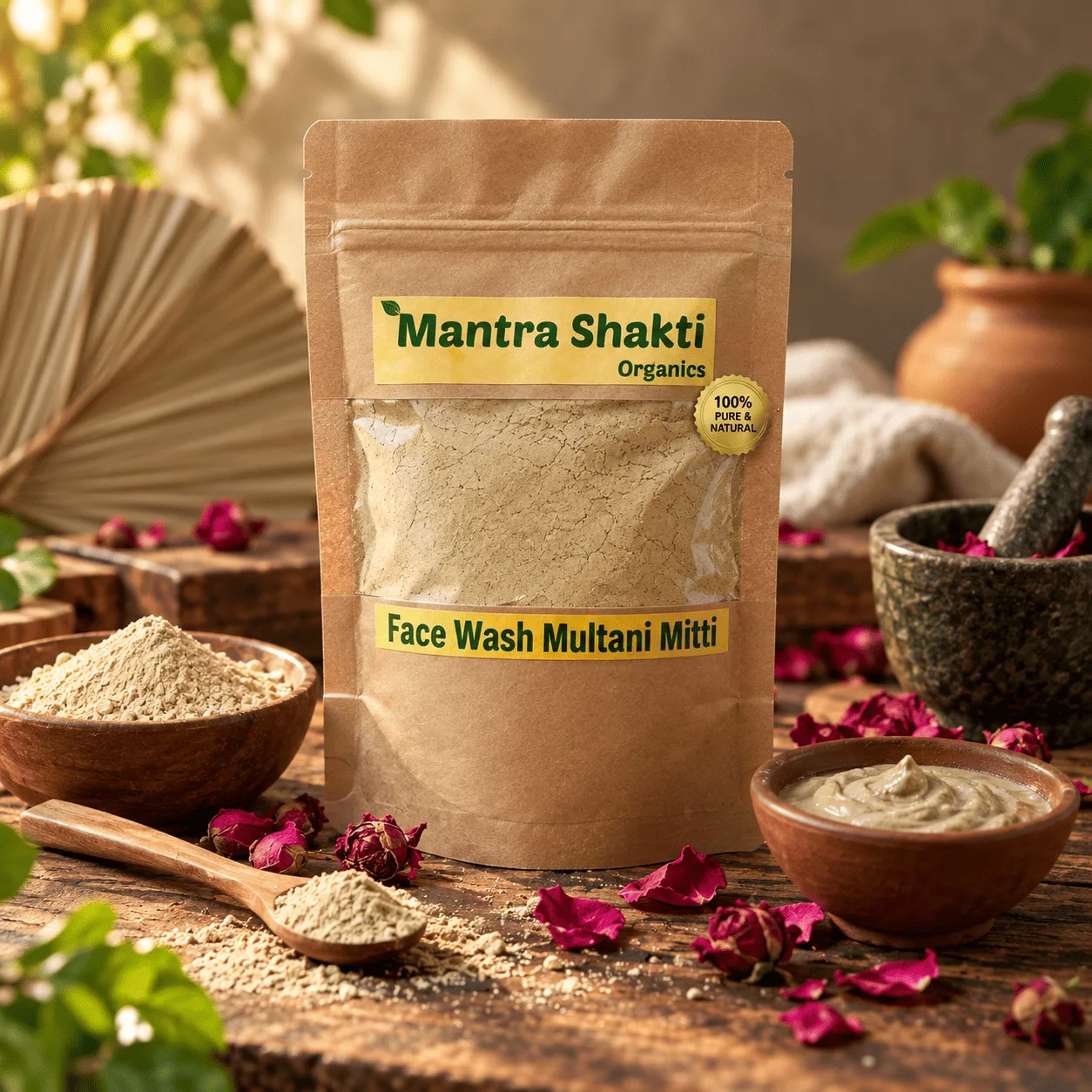
Mix the dry powders the night before in a covered jar and add the liquid on the morning, since a wet paste is better made fresh. If you want a ready clay powder for the mix, our Multani Mitti Face Cleanser (100 g, ₹199) is sold as a face cleanser; check the label and patch-test it before using it in a body mix.
How is abhyanga snan done step by step?
Warm the oil, massage it in, apply the ubtan, rub it off, bathe in warm water and dress in clean clothes. It takes about 45 minutes, and Lucknow's window on 8 November is only 58 minutes, so lay everything out the night before.
- Set up (night before). Mix the dry powders, put the mat down, lay out towels and clean clothes, and set the alarm so you are in the bathroom when your window opens. The panchang source speaks of the bath being done inside the window; how much oiling you do before it is a family choice, so ask your elders.
- Warm the oil (3 to 5 minutes). Stand the katori in hot water and test a drop on your wrist.
- Oil the body (about 10 minutes). Start at the scalp, then neck, shoulders, arms, chest, back, stomach and legs; leave the feet for last because they get slippery. Use the flat of the palm: long strokes along arms and legs, small circles at shoulders, elbows, knees and ankles. Keep the pressure light to moderate, stop if anything hurts, and keep oil out of eyes and ears.
- Let it settle (about 5 minutes). Loosen the ubtan to a spreadable paste and wipe your hands.
- Apply the ubtan (5 to 10 minutes). Spread a thin layer over the oiled skin, thin enough that you can still see skin colour through it. Avoid eyes, lips, the inside of the nose and ears, and any cut, rash or sunburn. Leave it until it just begins to feel tacky.
- Rub it off (about 5 minutes). With wet palms, rub in small, gentle circles; the paste lifts in crumbs along with the oil. Use no pressure: this is a rub-off, not a scrub. Wipe the thick excess into an old cloth before you rinse.
- Bathe in warm water (5 to 10 minutes). Pour warm water with the mug or shower. Use a mild bar if you want to lift the remaining oil, and rinse until the skin no longer feels slippery. If you oiled your scalp, shampoo it as usual.
- Dry and dress. Pat dry, put on clean clothes and set the oily towel aside to wash separately. Light the first diya only once your hands and clothes are clean and dry.
Is the oil applied before or after the ubtan?
Many households oil first, apply the ubtan over the oil and wash both off together. Some mix a spoon of til oil into the ubtan and apply it in one go, which is quicker if your window is short. Both are family custom, not a rule we can settle for you.
Can you use soap after ubtan?
Yes. Nothing in the custom rules soap out, and a mild bath bar lifts the oil that ubtan and warm water leave behind. In hard water the bar lathers less and the oil takes longer to rinse; our hard-water washing guide is written for hair, but its advice to use less product and rinse for longer applies to the body too.
Ubtan kaise lagaye: applying and rubbing it off
- Apply a thin film with the flat of the palm in smooth strokes; do not scrub it on.
- Work in sections, arms first, then legs, chest and back, so no section dries before you reach the next.
- If it starts to crack, wet your palm and smooth it again.
- Rub it off while it is still slightly tacky; dry besan pulls on the skin.
- Leave the face out unless you have patch-tested the mix for it.
How do you keep an oil-and-ubtan bath safe in a modern bathroom?
Patch-test first, mind the floor, keep heat and flames away, and wipe the thick excess off before it reaches the drain. Those habits cover most of what goes wrong.
Patch-test the oil and the paste
Kitchen ingredients are not automatically gentle on every skin. The American Academy of Dermatology's guide to testing skin-care products suggests a quarter-sized spot where the product will not rub or wash off, such as the underside of the arm or the bend of the elbow, at the normal amount and thickness, twice a day for seven to ten days; for a wash-off product, leave it on for five minutes or as the instructions say. Look for red, itchy or swollen skin, and if any appears, wash it off gently and stop.
Counting back from 8 November, ten days is 29 October and seven is 1 November. Turmeric may leave the spot yellow; that is colour, not a reaction. If you have less time, a test on the inner forearm a day ahead is better than none, but it is a weaker check that can miss a slower reaction. If you have ever reacted to a cosmetic or an oil, skip the paste and ask a doctor.
Eyes and skin
Keep oil and paste out of the eyes, mouth, nose and ears, and off cuts, rashes and sunburn. If paste gets in an eye, rinse with plenty of clean water and see a doctor if it keeps stinging or blurs your vision.
Slippery floors
Oil and water make a bathroom floor slick, and the step in and out is where people fall. Use a non-slip mat, keep a dry towel at the door, wipe your feet before stepping off the mat and sit on a low stool for the legs and feet. Keep children out of the bathroom, and if an older family member is bathing this way, have someone within earshot.
Heat, flames, drains and stains
Test the oil on your wrist before it touches the body and keep the water warm, not scalding. Diwali mornings come with diyas, incense and crackers, so light nothing until your hands are rinsed and your clothes changed. Wipe thick oil and paste into an old cloth before rinsing, run the hot tap for a minute afterwards, and put leftovers in the bin, not the sink. Haldi stains grout and plastic, so wipe it up quickly, and wash oily towels separately.
Who should ask a doctor first
If you have a skin condition, an allergy, are pregnant, or take medication, ask a doctor before trying a new oil or paste. This guide is for adults and does not cover babies or children; please ask a paediatrician.
What are the common mistakes with the Diwali oil bath?
Most mistakes come from rushing a short window.
- Trusting a calendar without checking the city. The window is about an hour and the date can differ by a day.
- Overheating the oil. Warm is enough; hot oil burns.
- Letting the ubtan dry hard. It pulls on the skin and is harder to rub off.
- Too much haldi. A pinch colours the paste; spoonfuls stain towels and grout.
- Skipping the patch test because the ingredients come from the kitchen. Besan, haldi and oils are ordinary foods, but any of them can irritate a particular skin.
- Adding camphor, essential oils or an unfamiliar fragrance just for the day. Anything new needs its own patch test.
How we make our Divya Snan bars, and where they fit in this bath
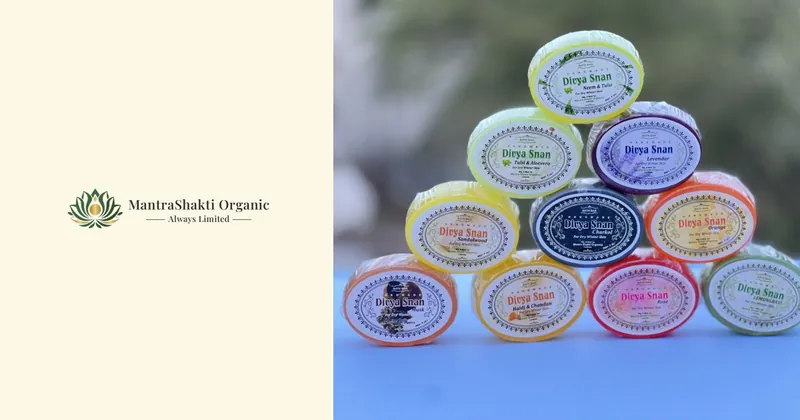
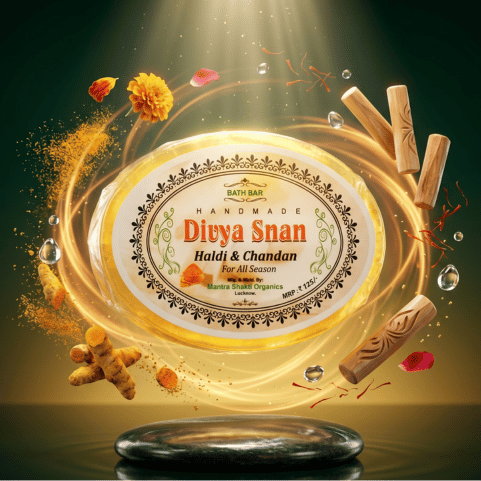
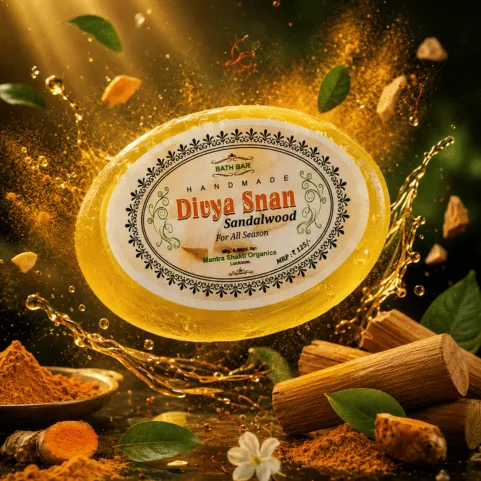
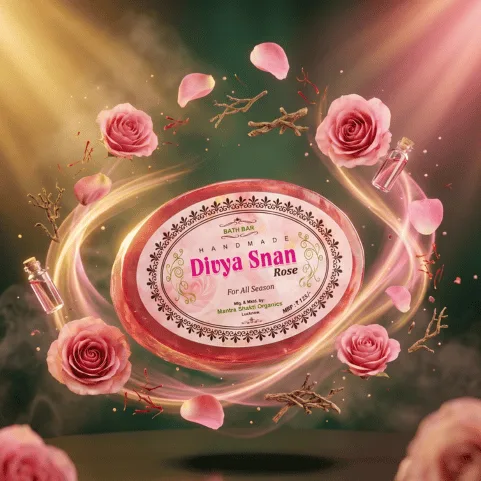
We make the Divya Snan bath bars by hand, in small batches, at our family workshop in Chinhat, Lucknow. If you like to finish an oil bath with a bar, the Haldi & Chandan bar is named for two ingredients that appear in the traditional ubtan ritual, and the Sandalwood and Rose bars suit those who prefer those scents; each is ₹125. The bar is only for the wash at the end: it does not replace the ubtan and is not doing what the paste does. The guide to choosing a Divya Snan bar compares the scents, and the whole range is in the Divya Snan category.
Frequently asked questions
What is abhyanga snan in English?
Abhyanga snan is usually called the Diwali oil bath or the oil-and-ubtan bath. Abhyanga is the Ayurvedic word for anointing the body with oil; snan means bath. It is done before sunrise on Narak Chaturdashi, also called Choti Diwali, which in 2026 is Sunday 8 November.
When is abhyanga snan in 2026?
Drik Panchang lists Sunday 8 November 2026 for Lucknow and New Delhi. The window runs from moonrise to sunrise: 5:23 to 6:21 AM in Lucknow and 5:41 to 6:38 AM in New Delhi. Some cities abroad, such as New York, are a day earlier, so check your own city.
Which oil is used for abhyanga snan?
Drik Panchang names til (sesame) oil for the ubtan during abhyang snan. Many homes use the oil they already apply to their skin, such as mustard or coconut oil. Patch-test whichever you choose, and warm it gently, never hot.
Is the oil applied before or after the ubtan?
Many households oil the body first, apply the ubtan over it, then wash both off with warm water. Some mix a little til oil into the ubtan and apply it in one go, which is quicker. Both are family custom, so follow your own.
Can you use soap after ubtan?
Yes. Nothing in the custom rules soap out, and a mild bath bar lifts the oil that ubtan and warm water leave behind. Rinse until your skin no longer feels slippery, and take care on the wet floor.
What is utane, and what is it made of?
Utane is the Marathi word for ubtan, the paste or powder used in the Diwali oil bath. A home version is usually besan with a pinch of haldi, sometimes chandan or multani mitti, mixed with milk, rose water or water. Ready-made packs differ by maker, so read the ingredient list.
What if I cannot bathe before sunrise?
Drik Panchang ties abhyang snan to the hours between moonrise and sunrise on Chaturdashi, and says it has also been suggested on the Amavasya and Pratipada days of Diwali: Monday 9 and Tuesday 10 November on its Lucknow calendar. Ask your family priest what your household follows.
Do I need a patch test for kitchen ingredients like besan and haldi?
Yes. The American Academy of Dermatology advises testing a new skin-care product on a quarter-sized spot twice daily for 7 to 10 days and watching for red, itchy or swollen skin. Besan, haldi and oils are kitchen ingredients, but any of them can irritate. Rinse off and stop if skin reacts.
Sources and further reading
- Drik Panchang: Abhyang Snan 2026 (set for Lucknow)
- Drik Panchang: Diwali 2026 calendar (Lucknow)
- Government of India, DoPT: Holidays for 2026 (Office Memorandum, 3 July 2025)
- Ministry of Tourism, Incredible India: Diwali
- Ancient Science of Life (2017): review of Angamardhana
- American Academy of Dermatology: How to test skin-care products
Written by the MantraShakti Organic workshop team, Chinhat, Lucknow. This is a guide to a festival custom, not medical advice, and panchang timings change by city, so check yours close to the day.
Shop this guide
Made by hand in small batches in Lucknow.
More from the Journal