
Soap for Dry Skin in Winter: A North Indian Bathing Guide
What is the right soap for dry skin in winter?
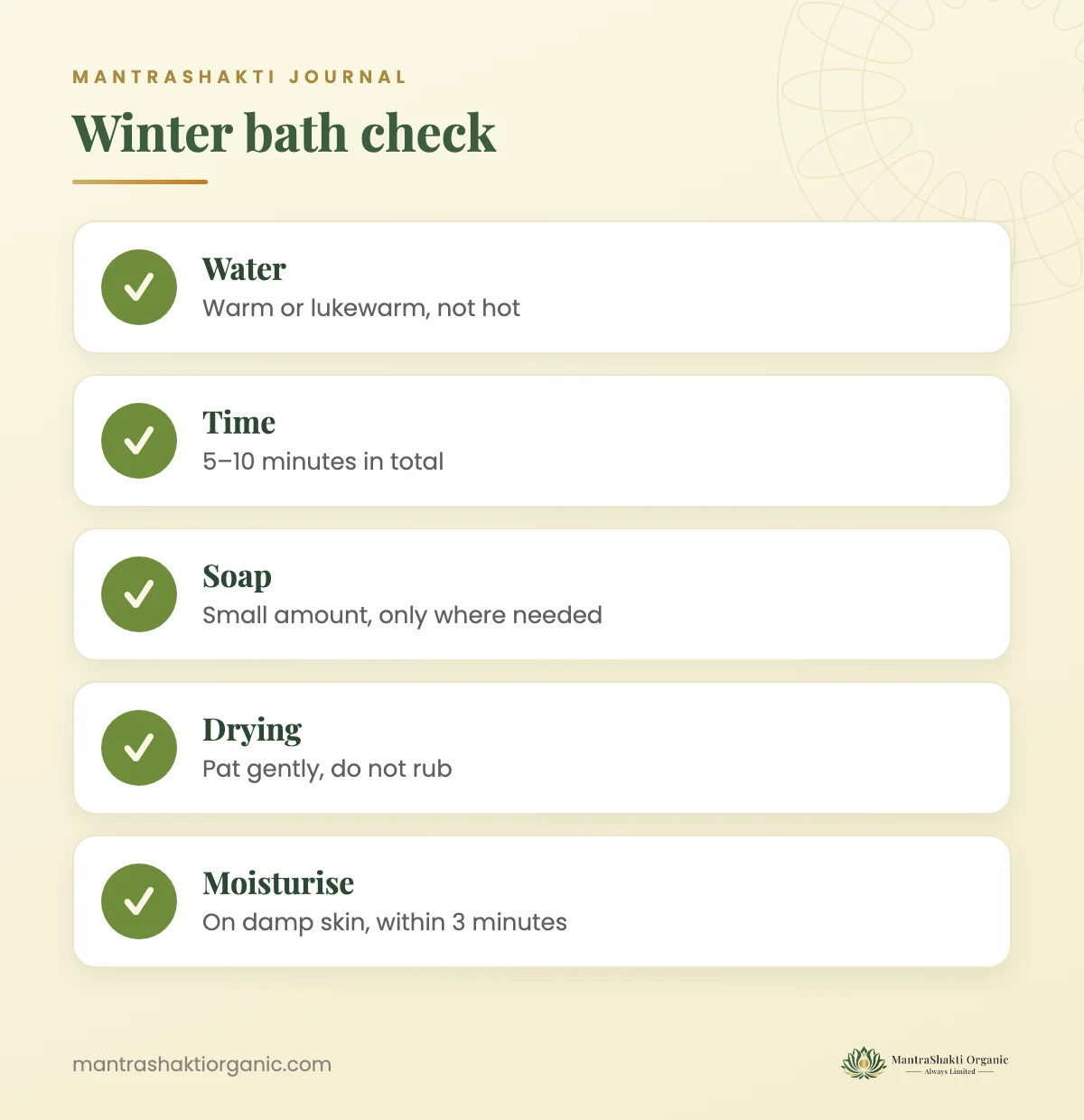
The right soap for dry skin in winter is a mild, unscented bar used briefly: lukewarm to warm water, a bath of 5–10 minutes, soap only where you need it, a gentle pat-dry and moisturiser within about three minutes. The way you bathe matters more than the bar itself.
Key takeaways
- Time: dermatology guidance from the American Academy of Dermatology (AAD) and Cleveland Clinic is to keep a bath or shower to 5–10 minutes.
- Water: warm or lukewarm, not hot. A steaming geyser setting strips more oil from skin than the soap does.
- Soap: use just enough, and only on the places that need it, such as underarms, groin and feet. Arms and legs often need only a rinse.
- After the bath: pat dry, do not rub, and moisturise while skin is still damp, ideally within three minutes.
- Honest limit: no bar soap replaces a moisturiser. Soap cleans; the cream or oil you apply afterwards is what holds on to the damp.
- Hard water: if your tap water leaves a tight, squeaky feel, read our hard-water soap guide as well.
Why does skin get so dry in a North Indian winter?
Dry skin in winter is mostly a water-loss problem. The air in December and January in Lucknow, Delhi or Jaipur holds very little moisture, and indoor heaters and blowers dry it further. Skin loses water to dry air faster, so it feels tight, rough or flaky, especially on shins, hands, elbows and heels.
Your bathing habits add to it. Hot water from a geyser, long baths, strong lather and hard rubbing with a towel all remove the thin layer of natural oil that helps skin keep its water. The AAD notes that dry air, indoor heating and certain everyday habits are common reasons skin dries out.
The good news is that most of the fix is free: change how you bathe. The soap you pick is the smaller half of the story.
How hot should the water be, and how long should you bathe?
Use warm or lukewarm water and limit the bath to 5–10 minutes. Both the AAD and Cleveland Clinic give this 5–10 minute range. Cleveland Clinic adds a plain reason: the warmer the water, the drier your skin ends up.
None of the sources give a number in degrees, so here is a home test, our own rule of thumb and not a clinical figure: if the water is comfortable on the inside of your wrist and the bathroom is not full of steam, it is fine. If your skin turns red or you sigh when the water touches it, it is too hot.
| Habit | Common in winter | Dermatology guidance |
|---|---|---|
| Water temperature | Geyser turned up, steam-filled bathroom | Warm or lukewarm, not hot (AAD, Cleveland Clinic) |
| Bath length | 15–20 minutes to "warm up" | 5–10 minutes (AAD, Cleveland Clinic) |
| Soap | Full-body lather, scrubbing | Gentle cleanser, just enough, only where needed (AAD) |
| Drying | Rough rubbing with the towel | Pat dry gently (AAD, NHS) |
| Moisturiser | Later, or not at all | While skin is damp, within about 3 minutes (Cleveland Clinic) |
Many North Indian homes bathe from a bucket, which actually helps. You mix hot and cold water to the temperature you want, and the bath ends when the bucket does. If you use a geyser tap or shower, fill the bucket or set the shower a notch cooler than feels tempting.
How much soap do you actually need?
You need much less than most of us use. The AAD advises washing with a gentle cleanser and using only enough to remove dirt and oil, and only where needed, such as armpits and groin. The NHS goes further and says ordinary soaps, shampoos and shower gels usually dry out the skin.
In practice that means three things in winter:
- Lather in your hands first, then spread it on underarms, groin, feet and neck. Do not scrub the bar over your arms and legs.
- Let plain water do the rest of the body. Warm water alone rinses off ordinary day-to-day dust.
- Rinse fully, because soap left on the skin tends to feel tight and itchy once it dries.
This is also why a bar that "lathers hugely" is not a sign of a good winter bar. Lots of foam only tells you how much soap you used. If you want the full daily routine step by step, our guide to how to bathe with bar soap covers it.
How do you choose a soap for dry skin in winter?
Look for a mild, fragrance-free or lightly scented bar from a maker that tells you what is in it, and keep expectations realistic. Cleveland Clinic suggests gentle, unscented soaps or cleansers and the AAD recommends fragrance-free products for dry skin, because fragrance can irritate.
Here is a practical way to read a label or product page:
| What to check | Why it matters in winter | What to do |
|---|---|---|
| Fragrance | Fragrance can irritate dry skin (AAD, Cleveland Clinic) | Choose unscented or lightly scented; patch-test any scented bar |
| Ingredient list | You cannot judge a bar you cannot read | Prefer makers who list what is in the bar |
| Added butters and oils | Bars with them can feel softer on the skin, though they do not replace a moisturiser | Take it as a feel preference, not a promise |
| Scrubby extras | Rough exfoliation is not advised for dry, flaky skin (AAD) | Skip gritty bars until the dryness settles |
| Claims on the pack | A soap cannot fix dry skin by itself | Be wary of big promises |
If you have very dry skin, the NHS suggests using a leave-on emollient (a thick moisturiser) as a soap substitute, mixed with a little warm water and rinsed off. This is advice for dry or itchy skin; it is not something a normal bar of soap claims to do.
What should you do right after the bath?
Pat dry gently and apply moisturiser straight away. Cleveland Clinic says to aim for within three minutes of showering, while skin is still damp, and the AAD also says to apply it when skin is still damp. A dermatologist-run clinic blog calls this "the magic 3-minute rule".
Which moisturiser? The AAD says thicker products work better: creams and ointments generally outperform lotions, and ointments are the thickest. Avoid fragrance if your skin is already irritated. In Indian homes people also use plain oils after a bath. Oil massage before bathing is an old tradition in many families, and we mention it as tradition only. Whatever you choose, the timing is the part that matters: apply it while your skin still feels slightly damp.
A simple winter bath routine, step by step
- Set the water first. Mix a bucket or set the shower to warm or lukewarm. Test on your wrist.
- Start a timer. Use your phone, or decide the bath ends when the bucket does. Aim for 5–10 minutes in total.
- Wet your body and lather in your hands. Use a small amount of soap and wash underarms, groin, feet and neck.
- Rinse well. Make sure no soap film stays behind, especially in folds and behind the knees.
- Pat dry. Press the towel onto skin instead of rubbing. Rubbing can irritate very dry skin (AAD).
- Moisturise within three minutes. Use a cream, ointment or your usual body oil on damp skin, especially shins, elbows, hands and heels.
- Put on soft cotton. The AAD advises soft clothing over rough or tight fabrics, which can rub dry skin.
Interactive · 30 seconds
Winter bath check
Set your usual bath and see which habits to change first.
Water
Soap
Moisturiser
/4
When to see a doctor instead
- Dryness gets worse or does not improve after a couple of weeks of better habits
- Skin itches intensely, cracks or bleeds
- Red, sore or burning patches appear
- You have a known skin condition, are pregnant or take medication and want to change products
Use the checker above to compare your own routine against the dermatology guidance in this article. It is a simple self-check, not a medical tool.
Is a daily bath bad for dry skin?
Sources disagree a little on how often to bathe, and none of the guidance we opened bans a daily bath. What they agree on is that how you bathe matters more than skipping it. If your skin is very dry, bathe briefly, use soap only where needed and moisturise every time.
If you find your skin flaking badly on non-bath days, consider a quick warm rinse and a moisturiser rather than a full soap wash. That is a practical middle path, not a rule from any one source.
Does hard water make winter dryness worse?
Hard water can make soap feel different, because it leaves a film and reduces lather, and many North Indian cities have hard borewell water. We do not have a dermatology source that proves hard water causes dry skin, so we will not claim that. What we can say from experience is that a tight, squeaky feel after a bath is a sign to rinse longer and use less soap. Our hard-water soap guide explains what to try.
What are the common winter bathing mistakes?
- Very hot water. It feels good for a minute and leaves skin tighter for hours.
- Long baths. Staying under the geyser for 20 minutes goes past the 5–10 minute guidance.
- Scrubbing with a loofah or rough cloth. The AAD advises against exfoliating dry, peeling skin in winter.
- Waiting to moisturise. Skin dries within minutes of leaving the bath. Do it before you dress.
- Strong fragrance. Heavily scented bars and creams can irritate already dry skin.
- Leaving the bar in a puddle. A bar that sits in water turns mushy and wears away quickly. Use a draining dish.
- Ignoring the room. Cleveland Clinic suggests keeping indoor humidity between 30% and 50% with a humidifier, ideally in the bedroom. A bucket of water in a room is not the same thing, so do not count on it.
When should you see a doctor?
See a doctor or dermatologist if dryness continues after you change your routine, or if it gets worse. The AAD says that if you continue to have dry skin or it worsens, something other than dry air may be the cause, and a doctor can look for it.
Also seek advice if you have intense itching, cracked or bleeding skin, red or sore patches, or if dry skin appears during any medical course. The NHS advises speaking to a GP, nurse or pharmacist if skin feels like burning or stinging that does not settle after a few days. If you are pregnant, have a known skin condition or an allergy, or take medication, ask a doctor before changing your products. And patch-test any new soap or cream on your inner forearm first.
How we make our bath bars
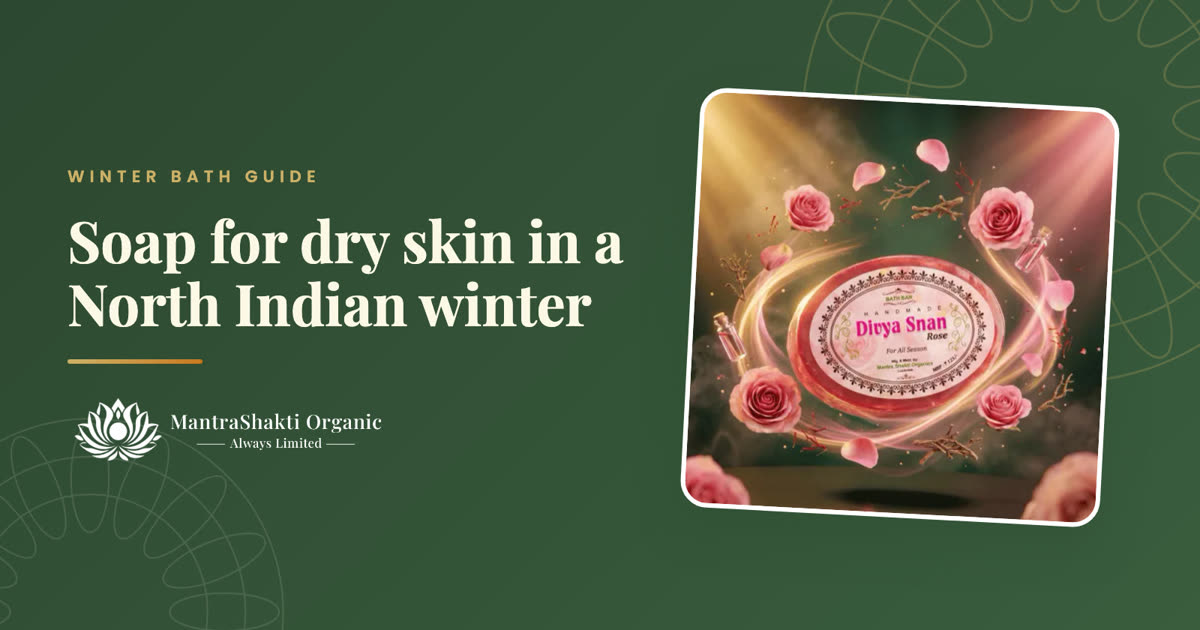
Our Divya Snan bath bars are handmade in small batches at our family workshop in Chinhat, Lucknow. We melt a goat-milk soap base gently over a water bath, stir in butters and oils (shea, cocoa butter, olive, castor and coconut) along with each bar's own botanicals, then pour it into moulds and let it set for several hours. Each bar weighs 100 g and costs ₹125; the Rose Bath Bar is a good place to start if you like a soft floral scent.
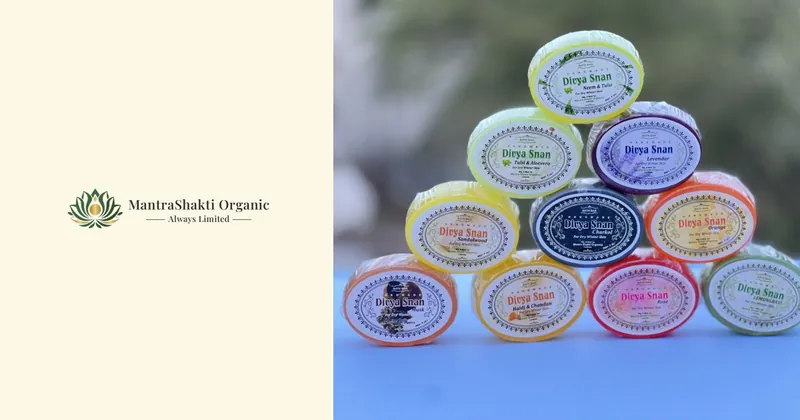
The bars are scented, so patch-test one before daily use. We make no claim that they change how dry your skin is; they are a bath bar, and the routine above matters more. They are softer than pressed commercial bars, so keep them on a draining dish. If you want to try a few scents, the Soap Box lets you pick any four bars for ₹500 with free delivery, and if you do not like a fragrance you can WhatsApp us on +91 94516 65552 within 7 days for a free swap to another scent (one swap per bar).
FAQ
Which soap is good for dry skin in winter?
A mild, unscented or lightly scented bar used in small amounts. Dermatology sources point to gentle, fragrance-free cleansers. The routine matters more than the brand: short warm bath, soap only where needed, moisturiser within three minutes.
How long should a winter bath be?
Five to ten minutes. This range comes from both the American Academy of Dermatology and Cleveland Clinic.
Should I use hot water in winter?
It is better not to. Use warm or lukewarm water. Cleveland Clinic notes that the warmer the water, the drier your skin will be. Test it on your wrist; it should feel comfortable, not hot.
When should I apply moisturiser after a bath?
While your skin is still damp, ideally within about three minutes of finishing. Cleveland Clinic gives that three-minute target, and the AAD says to apply it while skin is still damp.
Is bar soap or body wash better for dry skin?
Neither is automatically better. What matters is that the product is gentle, mild in fragrance and used sparingly. The NHS notes that everyday soaps, shampoos and shower gels can all dry the skin, so use any of them in moderation.
Can I skip soap on some days?
Yes, that is a reasonable choice if you are not sweaty or dirty. A warm rinse with soap only on underarms, groin and feet is enough for many people. This is practical advice rather than a rule from one source.
Does a handmade goat-milk bar fix dry skin?
No soap fixes dry skin on its own. Our bars are made for cleansing and for feel and fragrance. For winter dryness, the steps that count are a short warm bath and a moisturiser on damp skin.
When is dry skin a reason to see a doctor?
When it does not improve after a couple of weeks of better habits, keeps getting worse, itches intensely, cracks or bleeds, or comes with red patches. See a doctor or dermatologist in those cases.
Sources and further reading
- American Academy of Dermatology: dermatologists' top tips for relieving dry skin
- American Academy of Dermatology: dry skin overview
- American Academy of Dermatology: how to pick the right moisturizer
- Cleveland Clinic: dry skin in winter, 9 tips
- NHS: emollients
- Dr Bailey Skin Care: the 3-minute moisturiser rule
This article is general information for adults, not medical advice. Guidance quoted here comes from the pages linked above, which we opened and read.
Shop this guide
Made by hand in small batches in Lucknow.

More from the Journal
18 Sep 2026 · 6 min
Cold-Process vs Melt-and-Pour Soap: How Our Divya Snan Bars Are Made
Read more →